
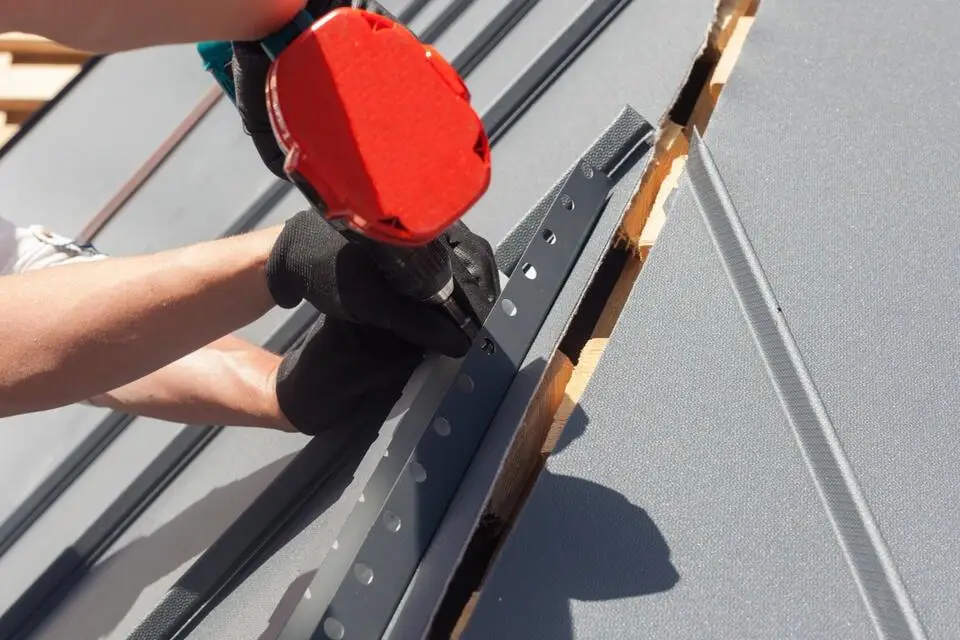
A metal roof in Florida typically costs $10–$20 per square foot installed, with most homeowners spending $20,000 to $35,000 for a full replacement, depending on the roof size, material, and installation requirements. The final price isn’t just about the metal you choose. Florida’s hurricane codes, insurance requirements, and coastal conditions all play a major role.
That difference catches many homeowners off guard. A quote that looks affordable at first can quickly climb once wind-rated underlayment, upgraded fasteners, and code-compliant installation are factored in. Choosing the wrong roofing system can also mean missing out on insurance discounts or paying more for repairs down the road.
If you’re replacing a roof in Orlando, Deltona, Daytona, Kissimmee, Sanford, Port Orange, or anywhere else in Florida, it helps to understand where your money is going before comparing estimates.
Why Florida Prices Differ
Expect to pay around $10–$20 per square foot for a professionally installed metal roof in Florida. For the average home, that puts a full metal roof replacement at roughly $25,000, although larger, more complex roofs or premium systems will cost more.
That’s generally 15–30% higher than national averages. The reason is simple: Florida requires stronger, code-compliant roofing systems built to handle hurricane-force winds, wind-driven rain, and, in many coastal areas, salt-air corrosion. Those added requirements increase both material and labor costs, but they also deliver a roof that’s built to last in Florida’s climate.
Why Metal Roofs Cost More in Florida Than the National Average
Florida isn’t an expensive market by accident. The higher price reflects stricter building standards designed to keep homes standing after severe storms.
- Stronger material requirements. The Florida Building Code requires heavier-duty roofing materials, such as minimum 26-gauge steel, G-90 galvanized coatings, and 0.025-inch aluminum for many applications. These products cost more than the lighter materials commonly installed in other states.
- Hurricane-zone approvals. If your home is in a High-Velocity Hurricane Zone (HVHZ), such as parts of South Florida, every roofing component must carry an approved Notice of Acceptance (NOA). That testing and certification adds to the overall project cost.
- Higher installation costs. Metal roofing is a specialized trade. Experienced Florida installers charge more because they must meet strict code requirements, carry higher insurance coverage, and install systems that pass local inspections.
- Permits and inspections. Every roof replacement requires permits, and most Florida jurisdictions schedule multiple inspections before the project is signed off. Those fees can add several hundred dollars or more to the final bill.
- Additional weather protection. Many homes also need upgraded underlayment or a secondary water barrier to meet current code requirements. While it increases the upfront investment, it provides another layer of defense against wind-driven rain during hurricane season.
These aren’t optional upgrades. They’re part of building a code-compliant roof that protects your home, satisfies local inspectors, and may qualify for valuable wind mitigation insurance discounts.
Comparing Metal Roofing Costs by Material
The type of metal you choose has the biggest impact on your final price. Some systems prioritize affordability, while others are designed to maximize hurricane performance, corrosion resistance, or lifespan.
| Material Type | Installed Cost (Per Sq. Ft.) | Typical Lifespan | Wind Rating* | Best for Coastal Areas |
| Corrugated Galvanized Steel | $7–$11 | 30–50 years | Up to 140 mph | Fair. Requires G-90 galvanized coating and regular maintenance. |
| Standing Seam Steel | $12–$20 | 40–70 years | Up to 180 mph | Good. Concealed fasteners help reduce corrosion; Galvalume or aluminum performs best near the coast. |
| Stone-Coated Steel | $10–$18 | 40–70 years | Up to 180 mph | Very good. Protective stone coating improves durability in coastal conditions. |
| Aluminum | $12–$22 | 50–70+ years | Up to 180 mph | Excellent. Naturally resistant to salt-air corrosion. |
| Copper | $20–$30+ | 70–100+ years | Up to 140 mph | Excellent. Forms a protective patina over time but comes at a premium price. |
*Actual wind ratings depend on the manufacturer, fastening method, and whether the roofing system carries Florida Product Approval or Miami-Dade NOA where required.
How Each Material Performs in Florida
1. Corrugated Galvanized Steel
Corrugated galvanized steel is the most affordable way to install a metal roof, but it also demands the most maintenance. Because the fasteners remain exposed, they’re more susceptible to wind-driven rain and corrosion over time.
If you’re in inland areas like Orlando or Deltona, it can offer solid value. Along the coast, choose G-90 galvanized steel with stainless steel fasteners to slow corrosion.
2. Standing Seam Steel
Standing seam steel is the benchmark for residential metal roofing in Florida. Hidden fasteners eliminate thousands of exposed screw penetrations, making the roof less vulnerable to leaks and better suited for hurricane conditions.
If you’re comparing long-term value rather than just upfront cost, this is usually the system contractors recommend first. Look for products with Florida Product Approval or Miami-Dade NOA if your home is in a high-wind region.
3. Stone-coated Steel
Stone-coated steel offers the strength of steel with the appearance of shingles or tile. The textured coating adds another layer of protection against UV exposure and corrosion while helping the roof blend into neighborhoods where traditional metal panels may not fit the aesthetic.
4. Aluminum
Aluminum is often the smartest investment for homes near Daytona, Port Orange, New Smyrna Beach, or anywhere within a mile of the coastline. It doesn’t rust, weighs less than steel, and stands up exceptionally well to salt-air exposure. Just make sure the panels meet Florida’s minimum thickness requirements and are installed as a code-compliant system.
5. Copper
Copper sits in a category of its own. It can last a century or more, develops a distinctive protective patina, and requires very little maintenance. The trade-off is price. In Florida, it’s typically reserved for architectural accents, entryways, bay windows, or historic homes rather than full residential roof replacements.
If your home is within about a mile of the Atlantic Ocean or Gulf Coast, aluminum is usually the safest long-term choice. While galvanized steel can perform well, constant salt spray will eventually shorten its service life unless the protective coating and fasteners are carefully maintained.
Where Your Metal Roofing Investment Goes
The total price on your estimate covers much more than the metal panels. Knowing how the cost is typically divided makes it easier to compare quotes and spot unusually high charges.
| Cost Category | Typical Share of Total Project |
| Materials (panels, underlayment, flashings, fasteners, ridge caps, sealants) | 40–50% |
| Labor (installation, tear-off, disposal, roof complexity) | 35–45% |
| Permits & Inspections | 5–10% |
| Old Roof Removal & Disposal | 5–10% (typically adds $1–$3 per sq. ft. when required) |
| Optional Upgrades | Varies |
What Each Cost Covers
- Materials: This includes the roofing panels, underlayment, flashings, ridge caps, fasteners, sealants, and other components needed to build a complete, code-compliant roofing system.
- Labor: Skilled installation is one of the largest expenses. It covers removing the existing roof, installing the new system, disposing of debris, and handling details like valleys, dormers, chimneys, and steep roof sections.
- Permits and inspections: Every Florida roof replacement requires permits and inspections. Fees vary by city, so homeowners in places like Orlando, Sanford, Kissimmee, or Daytona may see different permit costs depending on local requirements.
- Old roof removal: If your existing roof must be torn off before installation, budget an additional $1–$3 per square foot for removal and disposal. Multiple roofing layers or damaged decking can increase this cost.
- Optional upgrades: Features such as a secondary water barrier, premium synthetic underlayment, cool-roof coatings, upgraded skylight flashing, or enhanced ventilation improve performance but also increase the final investment.
Always ask for an itemized estimate. A trustworthy contractor should separate material costs, labor, permits, underlayment, fasteners, and tear-off charges. It makes comparing bids much easier and helps you identify quotes that hide inflated costs inside a single lump-sum price.
What Drives the Cost of a Metal Roof in Florida?
Two homeowners can choose the same metal roofing material and still receive quotes that differ by thousands of dollars. These are the biggest reasons why.
Roof Size Is Only Part of the Equation
Square footage matters, but roof design often has a bigger impact on labor. A steep roof with a 6:12 pitch or greater takes longer to install and requires additional fall protection, which can increase labor costs by 10–20%.
Features like dormers, skylights, chimneys, and roof valleys also demand custom flashing and careful detailing. If your roof has several of these, expect another 10–25% added to the base installation cost.
Height plays a role, too. Two-story homes require more equipment, longer material handling, and additional safety measures than single-story homes.
Hurricane-Zone Rules Can Raise the Price
If your property is located in a High-Velocity Hurricane Zone, such as Miami-Dade or Broward County, the roofing system must meet some of the strictest requirements in the country.
Panels, underlayment, fasteners, flashings, and other components must use products approved through the Miami-Dade Notice of Acceptance (NOA) program. The installation process is also more demanding, which increases both material and labor costs.
Permit Fees Vary from One Florida City to Another
Every roof replacement requires a permit, but the amount you pay depends on where you live and the value of the project.
Most Florida homeowners spend $200–$800 on permits and required inspections. In some hurricane-prone areas, you may also need a wind-load calculation or an engineering letter, which can add another $300–$600 to the project.
Removing the Existing Roof Adds to the Total
Installing a metal roof often starts with removing the old one. If your home has multiple roofing layers or deteriorated decking, demolition and disposal become more time-consuming.
Most contractors charge an additional $1–$3 per square foot for tear-off, with extra costs possible if hidden structural damage is uncovered. Older homes that require asbestos abatement can see significantly higher removal costs.
Underlayment Matters More Than Many Homeowners Realize
The visible metal panels are only one part of the roofing system. What’s installed underneath them is just as important.
Depending on your roof design and local code requirements, Florida may require a secondary water barrier to provide extra protection against wind-driven rain. That upgrade typically adds $0.50–$1.50 per square foot. Many homeowners also choose premium synthetic underlayment because it resists tearing and performs better during hurricanes than traditional felt paper.
Experience Often Costs More and Saves More
The cheapest estimate isn’t always the best value. Experienced Florida roofing contractors understand local code requirements, proper flashing details, and manufacturer installation standards. Their rates may be higher, but so is the quality of the installation.
Before signing a contract, verify that your contractor holds an active Florida roofing license and carries both workers’ compensation and liability insurance. A lower bid from an uninsured contractor can become far more expensive if something goes wrong.
Insurance Savings and ROI: Is a Metal Roof Worth the Extra Cost?
For many Florida homeowners, the higher upfront cost doesn’t tell the whole story. A code-compliant metal roof can qualify for 10–30% insurance discounts, often saving $500–$1,000+ per year after a wind mitigation inspection.
How Long Does It Take to Recover the Cost?
Let’s say a standing seam metal roof costs $25,000, while a comparable shingle roof costs $15,000. That’s a $10,000 difference upfront.
If your insurance premium drops by around $800 per year, the extra investment pays for itself in about 12.5 years through insurance savings alone. Add $200–$400 in annual cooling savings from reflective metal roofing and the fact that you’ll likely avoid another full roof replacement for decades, and the realistic payback period falls to roughly 7–10 years.
After that, the savings continue while the roof keeps performing. Before signing a contract, ask your insurance company for a projected wind mitigation credit based on the roofing system you’re planning to install. It gives you a much clearer picture of the roof’s long-term return on investment.
Frequently Asked Questions About Metal Roof Costs in Florida
1. How much does a metal roof cost for a 2,000-square-foot home in Florida?
Most homeowners spend $20,000–$35,000, depending on the roofing material, roof complexity, and local code requirements. Standing seam and aluminum systems typically cost more than corrugated steel but offer better long-term performance.
2. Why are metal roofs more expensive in Florida than in other states?
Florida’s strict building codes require stronger materials, hurricane-rated installation methods, corrosion-resistant fasteners, and, in some areas, Miami-Dade NOA-approved products. These requirements increase both material and labor costs.
3. Which type of metal roof offers the best value for the money?
For most Florida homeowners, standing seam steel delivers the best balance of durability, hurricane resistance, lifespan, and long-term maintenance costs. Homes close to the coast often benefit more from aluminum roofing because it naturally resists salt-air corrosion.
4. Does a metal roof lower homeowners insurance in Florida?
It can. Many insurers offer wind mitigation discounts of 10–30% for qualifying metal roofing systems. The exact savings depend on your insurer, your home’s location, and the results of the wind mitigation inspection.
5. Is a metal roof worth the higher upfront cost?
If you plan to stay in your home long term, often yes. Lower maintenance costs, potential insurance discounts, energy savings, and a lifespan of 40–70+ years can offset the higher initial investment over time.
6. Can I reduce the cost of a metal roof without sacrificing quality?
Yes. Choosing the right material for your location, replacing the roof before major structural damage develops, and comparing multiple itemized quotes from licensed Florida contractors can help control costs without compromising performance.
Don’t compare quotes based only on the total price. Compare the roofing material, underlayment, warranty, tear-off costs, and code-compliance details to understand what you’re actually paying for.
Get an Accurate Metal Roof Cost Estimate for Your Home
Online price ranges can give you a starting point, but they can’t account for your roof’s size, pitch, material choice, or local code requirements. The only way to know what your metal roof will actually cost is with a professional inspection and detailed estimate.
Our team provides honest, itemized metal roofing quotes so you know exactly where your investment is going; no hidden charges or guesswork. Whether you’re in Orlando, Deltona, Daytona, Kissimmee, Sanford, Port Orange, or the surrounding Florida communities, we’re here to help you compare your options and choose the roofing system that fits your home and budget.
Schedule your free metal roof estimate today and get a clear, accurate price before you commit.