
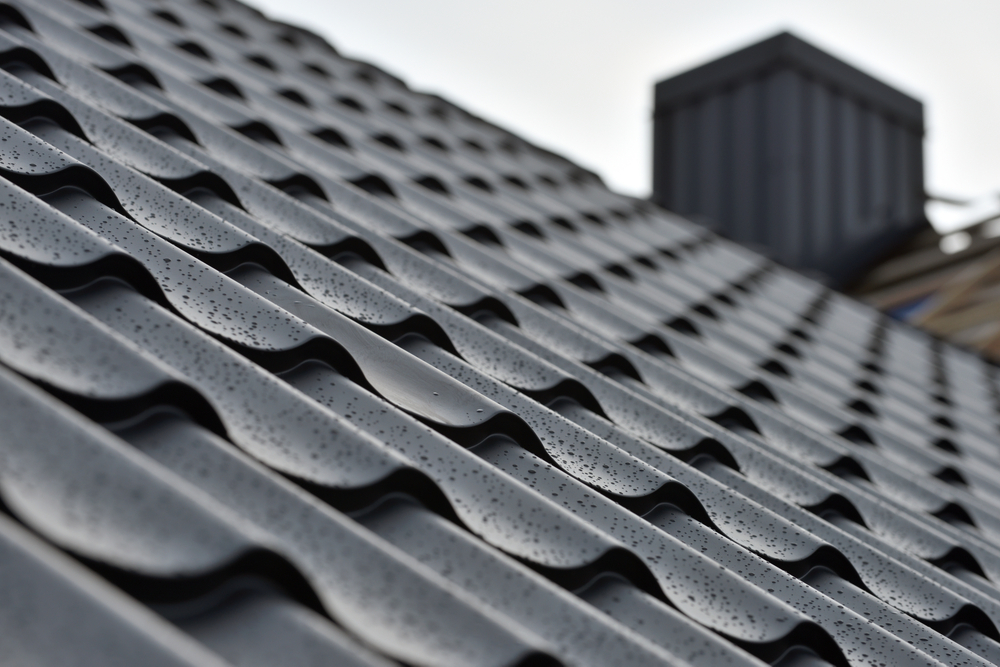
A metal roof isn’t the cheapest option in Florida, but it’s often the last roof you’ll ever need to buy. While asphalt shingles can struggle against hurricane-force winds, relentless UV exposure, and coastal humidity, a properly installed metal roofing system is built specifically for those conditions.
We’ve seen homes in Orlando, Daytona, and Port Orange come through major storms with little more than cosmetic debris while neighboring shingle roofs required extensive repairs.
For homeowners tired of worrying every hurricane season, dealing with rising insurance costs, or replacing roofs every couple of decades, metal roofing offers a stronger, longer-lasting, and more predictable solution.
Why Florida Homes Need Stronger Roofs
One of the biggest metal roof benefits is simple: it’s built for Florida’s climate. Homeowners in Orlando, Daytona, Kissimmee, and coastal areas face challenges that many other states never deal with. Between hurricanes, heavy rain, humidity, and intense sunlight, roofing materials take a beating year after year.
Hurricane winds can lift loose shingles and expose the roof deck in minutes. Even when a major storm doesn’t make landfall, tropical weather puts constant stress on your roof.
Moisture is another problem. Florida’s humidity creates the perfect environment for mold, wood rot, and corrosion when roofing systems aren’t designed for it.
If you live near the coast in places like Port Orange, New Smyrna Beach, or Edgewater, salt air adds another layer of wear. It can shorten the life of roofing materials and metal components that aren’t made for coastal conditions.
That’s exactly where metal roofing stands apart. Unlike many traditional roofing materials, metal roofs are engineered to handle Florida’s combination of high winds, constant moisture, intense UV exposure, and coastal salt air.
For Florida homeowners, durability isn’t a bonus feature. It’s a requirement. That’s why more homeowners are upgrading to metal roofing systems designed to withstand the state’s harshest weather conditions. These aren’t roofs built for average weather. They’re built for hurricane season, year after year.
Your Location Matters More Than Most Homeowners Realize
Not every Florida roof faces the same requirements. The roofing system that works in Sanford or Deltona may not be the same system recommended for a home closer to the coast or in South Florida’s highest wind zones.
Florida building codes use wind-speed maps to determine how strong your roof needs to be. Some areas require roofing systems rated for significantly higher wind loads than others.
That’s why it’s important to look beyond marketing claims like “hurricane resistant.” A metal roofing system should be rated for the wind requirements at your specific address and installed according to Florida code.
Before comparing materials or requesting estimates, find out what wind zone your home falls into. That information plays a major role in choosing the right roof.
Roof Failure Gets Expensive Fast
Most homeowners think about roof replacement costs. Far fewer think about the cost of roof failure.
When wind or water gets through a damaged roof, the problems spread quickly. Drywall, insulation, flooring, and electrical systems can all be affected. In Florida’s humidity, mold can start developing within days.
Then come insurance claims, temporary repairs, hotel stays, and months of disruption. This is where many of the long-term metal roof advantages become easier to understand. The higher upfront investment isn’t just buying roofing material. It’s reducing the risk of costly storm damage, unexpected repairs, and repeated roof replacements down the road. For many Florida homeowners, that’s exactly why a metal roof is worth considering.
Which Metal Roof Type Makes the Most Sense for Florida?
If you’re wondering whether a metal roof is worth it, the first thing to know is that not all metal roofing systems perform the same way in Florida’s weather.
Standing Seam vs. Exposed Fastener Metal Roofs
For most Florida homes, standing seam is the better choice. The panels lock together with concealed clips, so there are no exposed screws sitting in the sun and rain year after year. That means fewer leak points and better protection during hurricanes.
Exposed fastener roofs cost less upfront, but the screws and washers can wear out over time. In a climate like Florida’s, that often means more maintenance and a shorter service life.
If your goal is long-term durability and storm protection, standing seam offers some of the strongest metal roof benefits available today.
Choosing the Right Metal for Your Location
Where you live should influence the type of metal you choose. For inland areas like Orlando, Sanford, Deltona, and Kissimmee, Galvalume steel is often the most practical option. It offers excellent durability, strong wind resistance, and a lower price point than premium metals.
For coastal communities such as Port Orange, New Smyrna Beach, and Edgewater, aluminum is usually the smarter choice. It naturally resists corrosion and holds up better in salty air.
Higher-end materials like zinc and copper can last even longer, but most homeowners find steel or aluminum provides the best balance of cost and performance.
Want the Look of Shingles or Tile?
One reason some homeowners hesitate to choose a metal roof is appearance. The good news is that residential metal roofing comes in more than just standing seam panels. Modern metal shingles can replicate the look of traditional asphalt shingles, while metal tile profiles mimic the appearance of clay or concrete tile.
That makes metal roofing a practical option for HOA communities and homeowners who want the durability of metal without changing the character of their home.
A Metal Roof Can Help Reduce Cooling Costs
Florida homeowners spend a lot on air conditioning. Many metal roofing systems reflect more solar heat than traditional shingles, helping keep attics cooler during the summer months. Some products also include reflective coatings designed to improve energy efficiency even further.
While energy savings alone may not justify a roof replacement, they’re another advantage that makes metal roofing appealing for Florida homes.
When homeowners ask why choose a metal roof, the answer usually comes down to three things: better storm protection, longer lifespan, and lower long-term maintenance. The right system can deliver all three.
Pros of Metal Roofing for Florida Homes
Florida is one of the toughest environments for any roofing material. Between hurricanes, intense UV exposure, heavy rain, and year-round humidity, roofs wear out faster here than in most parts of the country. That’s where metal roofing stands out.
A properly installed metal roof can last 40 to 70 years or more, significantly longer than the average asphalt shingle roof. For many homeowners, that means avoiding multiple roof replacements over the life of the home.
Storm protection is another major advantage. Many modern metal roofing systems are wind-rated for hurricane-prone areas and designed to withstand the extreme weather Florida homeowners face every year.
Metal roofs can also help improve energy efficiency. Because they reflect a portion of the sun’s heat instead of absorbing it, homes often stay cooler during Florida’s long summers, reducing strain on air conditioning systems.
Many insurance companies view metal roofs as a lower-risk roofing option as well. Depending on your carrier and location, that can translate into valuable insurance discounts.
Maintenance is typically minimal, and metal roofing is one of the few roofing materials that combines long-term durability, energy savings, and strong hurricane resistance in a single system.
Where a Metal Roof May Not Be the Best Fit
That doesn’t mean metal roofing is the right choice for everyone. The biggest hurdle is cost. The upfront investment is noticeably higher than an asphalt roof, which can make the decision difficult if budget is the primary concern.
Location also matters. Homes near the coast need materials that can handle salt exposure. Choosing the wrong metal in areas like Port Orange or New Smyrna Beach can create problems years down the road.
Some homeowners are surprised to learn that HOA rules can still influence their options. While restrictions have become less common, certain neighborhoods may limit specific roof styles or colors.
And yes, metal can dent if struck by large hail or heavy storm debris. It rarely affects the roof’s performance, but cosmetic damage is still possible.
A Few Things Florida Homeowners Get Wrong About Metal Roofs
One misconception refuses to disappear: metal roofs attract lightning. They don’t. Lightning is drawn to height and location, not roofing material. If a strike does occur, metal’s non-combustible nature can actually be an advantage.
Another myth is that every metal roof eventually rusts. Modern roofing materials are far different from the metal roofs people remember decades ago. Aluminum performs exceptionally well near the coast, while today’s coated steel products are built to resist corrosion for decades.
Then there’s the noise concern. Most homeowners are shocked by how normal a metal roof sounds during a Florida thunderstorm. When installed over solid decking with quality underlayment, the difference between metal and shingles is far smaller than most people expect.
The reality is simple. Most objections to metal roofing come from outdated information, not modern roofing systems.
Final Checklist: Is a Metal Roof Right for Your Florida Home?
Check off the statements that apply to you:
- ☐ I understand the wind and weather conditions my home faces.
- ☐ I’ve reviewed any HOA rules that could affect roofing materials or styles.
- ☐ My current roof structure is in good condition, or I’m prepared to repair the roof deck if needed.
- ☐ I’m planning to stay in my home long enough to benefit from a long-lasting roofing system.
- ☐ Hurricane protection is one of my top priorities.
- ☐ I’m looking for a roof that requires less maintenance than asphalt shingles.
- ☐ Lower cooling costs and potential insurance savings are important to me.
- ☐ I’m comparing long-term value, not just the lowest installation price.
- ☐ I’m willing to invest more upfront for a roof that can last decades.
- ☐ I’ve requested estimates from multiple Florida-licensed roofing contractors.
Results: If you checked most of these boxes, there’s a good chance a metal roof is a smart fit for your home. The next step is comparing materials, reviewing product approvals, and getting quotes from experienced local contractors.
Frequently Asked Questions
1. Will a metal roof attract lightning during Florida thunderstorms?
No. Lightning strikes the highest point in an area, not a specific roofing material. Since metal is non-combustible, it won’t catch fire if a strike occurs. In some cases, it can actually be safer than combustible roofing materials.
2. Do metal roofs rust in Florida’s salt air?
Not when the right material is used. Aluminum performs exceptionally well near the coast, while Galvalume steel is a durable option for inland Florida homes. Choosing a metal roof designed for your location is the key to long-term performance.
3. Are metal roofs noisy during heavy rain?
This is one of the most common myths about metal roofing. When installed over solid decking with proper underlayment and insulation, a metal roof is typically no louder than shingles. Most homeowners are surprised by how little difference they notice during storms.
4. Can I install solar panels on a metal roof?
Yes. Standing seam metal roofs are especially solar-friendly because mounting systems can often attach without drilling through the roof surface. This helps reduce potential leak points and simplifies installation.
5. How long does a metal roof last in Florida?
Most metal roofing systems last between 40 and 70 years, depending on the material and installation quality. That’s often two to three times longer than an asphalt shingle roof. Some premium aluminum and zinc systems can last even longer with proper maintenance.
6. Is a metal roof worth the investment for a Florida home?
For many homeowners, yes. The combination of hurricane resistance, energy savings, lower maintenance, and long-term durability often outweighs the higher upfront cost. The longer you plan to stay in your home, the stronger the value becomes.
Find Out if a Metal Roof Is Right for Your Home
Choosing the right roof isn’t always easy and simple. Factors like your location, budget, HOA requirements, and long-term plans all matter.
If you’re still unsure whether metal roofing is the right investment for your Florida home, we’re here to help. Our team can evaluate your roof, answer your questions, and recommend the best solution for your needs and budget.
Schedule your free consultation today and get expert guidance on the right roofing system for your home.