
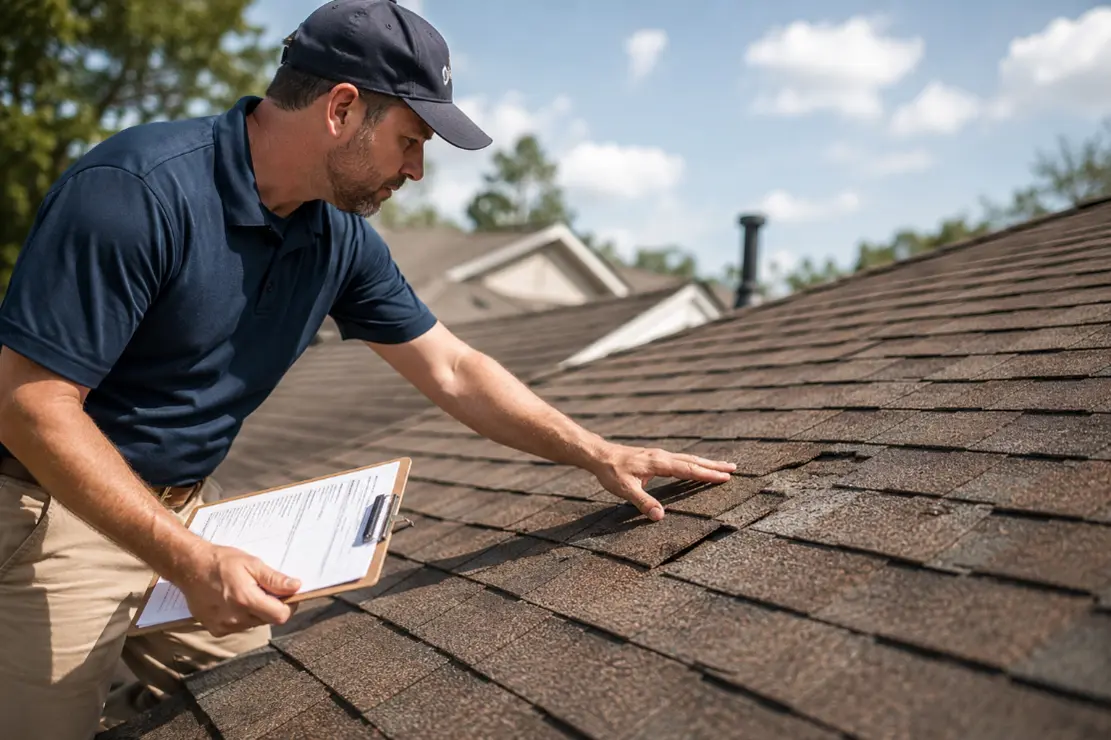
How Insurance Inspectors Evaluate Your Roof
A roof inspection insurance visit can directly impact your claim approval, coverage decision, or future premiums, especially after Florida storm season. Whether you live in Orlando, Daytona, Kissimmee, or Sanford, understanding how an insurance roof inspection Florida process works helps you avoid costly surprises and weak documentation. Insurance inspectors look beyond missing shingles.
They review storm history, roof age, signs of wear, repair records, and whether the damage matches recent weather events to determine if the roof damage is truly claim-related or considered normal deterioration.
The Critical Role of a Roof Inspection
A roof inspection insurance process helps insurance companies measure risk before approving claims, renewing coverage, or issuing new policies. In Florida cities like Orlando, Deltona, and Port Orange, insurers pay close attention to roof condition because of frequent wind and hail storms. A proper insurance roof evaluation also protects homeowners by documenting damage early before it turns into a larger dispute.
The problem is many homeowners do not fully understand what happens during an insurance adjuster inspection roof visit. Small details like roof age, past repairs, storm dates, or maintenance history can affect whether damage is approved or labeled as normal wear and tear.
Storm Damage (Hail, Wind, Fallen Trees)
After strong storms in Daytona, Sanford, or Kissimmee, insurers often schedule fast inspections to verify if the damage matches recent weather activity. Inspectors frequently review storm tracking reports, hail maps, and wind data before creating a roof inspection report insurance companies rely on for claim decisions.
Roof Age & General Deterioration
Older roofs in areas like Deland or Altamonte Springs usually receive closer attention during renewals. Even without visible leaks, aging shingles, granule loss, or soft decking can impact insurability and future premiums.
Policy Renewals & New Policies
Some Florida insurers now require inspections before renewing older policies or covering newly purchased homes. Buyers in Oviedo, Ormond, or New Smyrna Beach should know that roof condition can affect both approval and coverage limits.
Specific Incidents
Not every inspection happens after a storm. Fire damage, fallen branches, poor ventilation, or structural movement may also trigger an insurance roof inspection for Florida homeowners before claims, repairs, or policy decisions can move forward.
Review your homeowners’ insurance policy before damage happens. Pay attention to roof exclusions, deductibles, age restrictions, and how storm-related claims are handled.
Understanding the Insurance Inspector’s Role & Perspective
Most homeowners only meet an inspector once damage happens, but understanding their role can make the entire process less stressful. During an insurance adjuster inspection roof visit, the inspector is there to document conditions, compare the damage against policy rules, and decide whether the issue qualifies for coverage.
Some inspectors work directly for the insurance company, while others are independent contractors hired after large storms in places like Orlando, Daytona, or Port Orange. Many also complete specialized roofing training, including Haag certifications, to identify wind, hail, moisture, and aging damage more accurately.
The important thing to understand is that inspectors follow insurer guidelines. They are not simply approving every roof they see, but they are also not supposed to deny damage without evidence. That is why homeowners should understand the process just as well.
A Day in the Life of an Insurance Roof Inspector
After major storms in Deltona, Sanford, or Kissimmee, inspectors may handle several properties in a single day. Tight schedules, bad weather, steep roofs, and safety risks all affect how quickly inspections move.
Most insurance roof evaluation visits involve photos, measurements, drone footage, moisture testing, and checking for signs of lifted shingles, granule loss, leaks, or soft decking. Inspectors also compare roof conditions with recent weather reports and storm dates.
How Inspectors Make Decisions
One of the biggest factors in a roof inspection report insurance companies review is whether the damage looks sudden or gradual. A missing shingle from a recent windstorm is treated differently than cracking caused by years of heat and aging. Most inspectors look for things like:
- Creased or lifted shingles from wind damage
- Hail impact marks and granule loss
- Signs of old repairs or patchwork
- Water intrusion inside the attic or decking
- Roof age and overall condition
- Weather reports tied to recent storms in areas like Orlando, Deltona, or Daytona
This is where many claim disputes start. Homeowners may see storm damage, while the inspector may classify it as wear and tear based on company guidelines and roof condition.
Common Homeowner Misunderstandings
Many people assume inspectors automatically work against them. In reality, most follow a checklist and photo documentation process. Still, internal insurance policies and claim limits can influence how damage gets categorized.
That is why documentation matters. Photos before repairs, maintenance records, storm dates, and contractor reports can help support your side if findings seem questionable.
Advocating for Yourself During the Inspection
If possible, be present during the inspection. Homeowners in Oviedo, Apopka, and New Smyrna Beach often catch small issues by pointing out active leaks, ceiling stains, or areas where shingles recently lifted after storms.
You do not need to argue with the inspector. Simply stay involved, ask questions politely, and make sure all visible concerns are documented before the inspection ends.
What Inspectors Look for: Damage vs. Wear & Tear
One of the biggest parts of an insurance roof evaluation is determining whether the roof has sudden storm damage or normal aging. That difference often decides if the claim gets approved or denied. In Florida cities like Orlando, Port Orange, and Sanford, inspectors deal with constant sun exposure, heavy rain, wind, and hurricane activity, so they look closely at both the condition and age of the roof.
Roof Age & Material Type
Different roofing materials age differently. Asphalt shingles usually have a shorter lifespan than tile or metal roofing, especially under Florida heat. During an insurance adjuster inspection roof visit, inspectors check the estimated remaining life of the roof along with any signs of brittle shingles, fading, or weak spots.
Older roofs in Daytona, Deltona, and Kissimmee are more likely to face stricter review during renewals or claims because insurers see them as higher risk.
Overall Condition & Maintenance
Inspectors also pay attention to how well the roof has been maintained. A roof with clean gutters, proper ventilation, sealed flashing, and trimmed trees often shows fewer long-term issues.
Neglected maintenance can hurt a claim, especially if water intrusion or leaks could have been prevented.
Regular gutter cleaning, roof inspections, and tree trimming not only extend roof life but also help demonstrate responsible maintenance if an insurance dispute happens later.
Specific Signs of Damage
Inspectors usually document both visible and hidden damage. Some problems affect only appearance, while others impact the roof’s ability to protect the home. Common signs include:
- Missing or lifted shingles
- Granule loss from hail or aging
- Soft spots or moisture damage
- Cracked flashing around vents and chimneys
- Bruising, blistering, or punctures
- Interior ceiling stains linked to roof leaks
Common Roof Damage Inspectors Look For
| Damage Type | Common Cause | How Insurers Usually Classify It | Common Signs |
| Hail Damage | Hailstorms | Usually covered storm damage | Circular marks, bruised shingles, granule loss |
| Wind Damage | Hurricanes, strong gusts | Often covered if storm-related | Lifted, creased, or missing shingles |
| Water Damage | Roof leaks, flashing failure | Depends on source of leak | Ceiling stains, mold, rotted decking |
| Wear & Tear | Aging, heat, UV exposure | Usually not covered | Curling shingles, fading, cracking |
| Poor Maintenance | Clogged gutters, neglect | Commonly denied | Moss growth, pooling water, debris buildup |
| Impact Damage | Falling branches or debris | May be covered | Punctures, dents, localized damage |
| Manufacturing Defects | Faulty roofing products | Sometimes warranty-related | Premature cracking or material failure |
Many roof inspection report insurance companies rely on also include weather history data. Inspectors often compare the roof condition with recorded storms in areas like Oviedo, Apopka, and New Smyrna Beach to verify whether the damage matches actual weather events.
The Insurance Roof Inspection Process: A Step-by-Step Guide
A roof inspection insurance visit usually moves quickly, especially after major storms in Orlando, Daytona, or Sanford. Knowing what happens before, during, and after the inspection helps avoid confusion and missed details.
Before the Inspection
When scheduling the visit, ask for the inspector’s name, company, and expected arrival time. It is also smart to confirm whether they are a staff adjuster or independent contractor. Before the appointment:
- Gather past roof repair records
- Save photos or videos of the damage
- Keep your insurance policy nearby
- Create a simple timeline of when the damage happened
During the Inspection
Most insurance adjuster inspection roof visits include checking:
- Shingles and roof slopes
- Flashing, valleys, and vents
- Gutters, eaves, and ridge lines
- Interior leak signs or attic moisture
Inspectors typically take measurements, drone images, and detailed photos for the roof inspection report insurance companies later review.
Inspectors don’t rely only on what they see on-site; they also cross-check storm history data, hail reports, and wind speed records to confirm whether the damage matches recent weather events in areas like Orlando, Daytona, and Kissimmee.
Take your own timestamped photos before temporary repairs begin. Clear documentation often helps during claim disputes.
After the Inspection
Some inspectors give basic feedback onsite, but the final decision usually comes later after the report is reviewed by the insurer. In areas like Deltona, Kissimmee, and Port Orange, storm-related claims may take longer during peak hurricane season.
Preparing Your Property
Simple preparation makes the inspection easier and safer:
- Clear debris around the home
- Unlock gates for roof access
- Secure pets indoors
- Move patio furniture or fragile items away from work areas
Do not ignore small roof problems before the inspection. Minor leaks or lifted shingles can quickly become larger issues insurers may classify as neglect.
Communicating with the Inspector
Stay present if possible. Homeowners in Oviedo, Apopka, and New Smyrna Beach often benefit from pointing out recent leaks, ceiling stains, or areas affected by recent storms.
Keep communication calm and direct. Ask questions, but avoid arguing during the inspection itself.
After the Inspection: Understanding Reports & Next Steps
Once the insurance roof inspection Florida process is done, the real decision comes from the report. Whether you’re in Orlando, Daytona, or Kissimmee, this document is what determines approval, denial, or further review of your claim.
Deciphering Your Roof Inspection Report
Most roof inspection report insurance documents are structured the same way, but the wording can be confusing if you’ve never seen one before.
Key Sections of a Report
- Executive summary of overall roof condition
- Detailed damage assessment by area
- Photo evidence from the inspection
- Repair or replacement recommendations
Understanding the Terminology
Inspectors often use technical terms that can sound more serious than they are. Common ones include:
- Granule embedment: Loss of protective shingle surface
- Uplift: Shingles lifted by wind exposure
- Blistering: Heat or moisture bubbles on shingles
- Bruising: Impact marks, often from hail
These terms help insurers decide whether damage is storm-related or normal aging.
Implications for Your Policy or Claim
After review, outcomes usually fall into three categories:
- Approved for repair or full replacement
- Partially approved with limited coverage
- Denied due to wear and tear or maintenance issues
Always insist on a detailed written report. A clear insurance roof evaluation with photos and explanations gives you stronger ground if you need to question or appeal findings.
What to Do After the Inspection
If Your Claim Is Approved
Review the settlement carefully and get at least 2–3 repair estimates from licensed roofers before starting work. This helps ensure fair pricing and scope.
If Your Claim Is Denied or Reduced
Check the exact reason for denial. Many cases in areas like Deltona, Sanford, and Port Orange can be appealed if storm data or damage evidence supports your claim.
Policy Renewal Requirements
Sometimes insurers request repairs before renewing coverage. Address these quickly to avoid cancellation or higher premiums.
Don’t rely on a single quote. Multiple estimates from contractors in places like Oviedo, Apopka, or New Smyrna Beach give you a clearer picture of real repair costs.
Take Control of Your Roof Inspection
Roof inspections don’t have to feel confusing or one-sided. When you understand how inspectors work, keep proper documentation, and know your policy, you stay in control of the process. From Orlando to Daytona and Kissimmee, being prepared makes a real difference in claim outcomes and renewals.
Clear records, timely action, and knowing what inspectors look for help you protect your roof and avoid unnecessary disputes. For guidance or inspection support, contact us today to discuss your situation and next steps.