
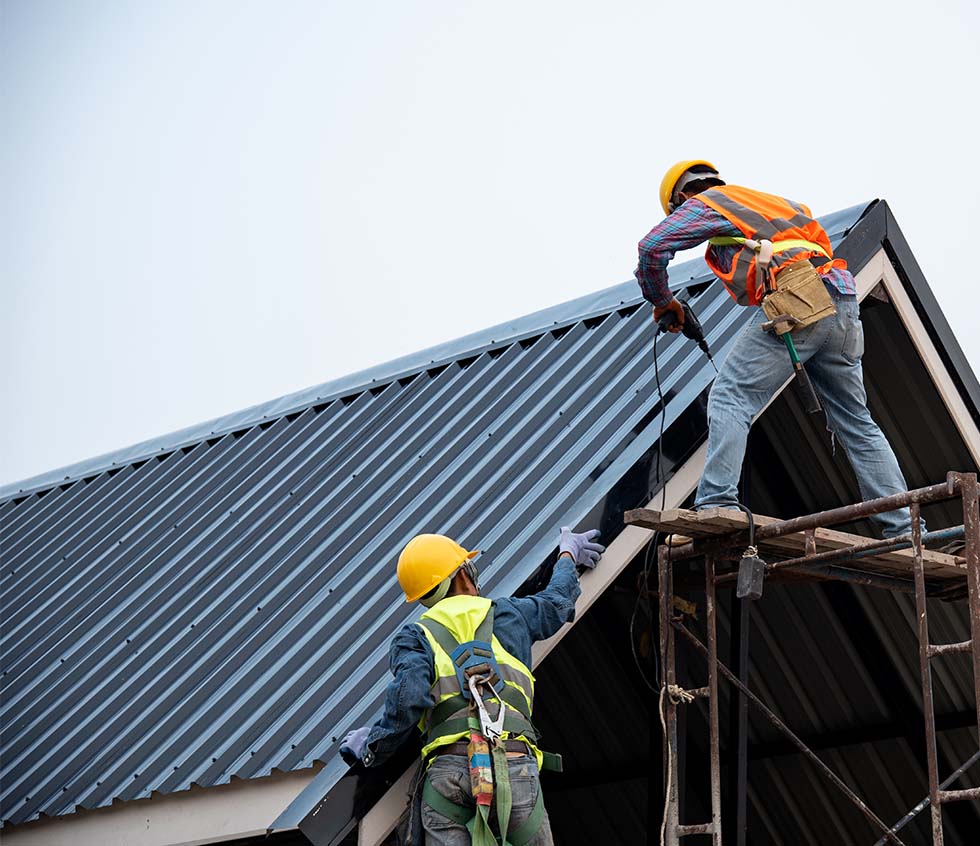
Yes, a roof claim can increase your homeowners’ insurance premium in Florida, and in some cases, it can even put your policy renewal at risk. In cities like Orlando, Daytona, Deltona, and Kissimmee, many homeowners are finding that one major roof claim can affect future rates more than expected.
Florida’s insurance market has become extremely sensitive to roof-related claims because of hurricanes, storm damage, litigation costs, and aging roofs. That makes many homeowners hesitate before filing a claim, especially when they are unsure whether the payout will outweigh the long-term increase in insurance costs.
Key Factors That Affect Insurance Rates After a Roof Claim
Claim Frequency and Severity
Insurance companies pay close attention to how often you file claims and how expensive those claims are. In Florida, multiple roof claims within a short period can make insurers view the property as higher risk, even if the damage was legitimate.
- Small but repeated claims may still increase your insurance premium over time.
- Large payouts for full roof replacement usually have a stronger impact on future rates.
- Insurers use claim history and risk calculations to estimate the chances of future losses.
This is one reason many homeowners in Orlando, Deltona, and Sanford think carefully before filing smaller roof claims.
Roof Age and Condition
Older roofs are one of the biggest concerns for Florida insurance companies. Once a shingle roof reaches around 10 to 15 years old, many insurers begin seeing it as a higher liability, especially in storm-prone areas like Daytona and Port Orange.
- Roofs with visible wear, patch repairs, or missing shingles may trigger higher premiums.
- Some roofing materials are viewed more favorably than others. Metal roofs are often considered lower risk compared to aging asphalt shingles.
The overall condition of the roof can directly affect whether your insurance rates increase after a claim or whether the insurer asks for repairs before renewal.
Type of Roof Damage
The reason behind the damage matters just as much as the damage itself. Storm-related roof claims from hurricanes, hail, or strong winds are common across Florida, but insurers still investigate whether the damage was sudden or caused by long-term neglect.
Damage tied to poor maintenance, aging materials, or unresolved leaks can lead to denied claims or higher insurance costs. Wind and hail claims are especially common in Kissimmee, Oviedo, and New Smyrna Beach, where severe weather regularly affects roofing systems.
Your Claims History
Your past claims history can affect both your premium and your ability to stay insured. Insurance companies usually review a CLUE report, which tracks previous property insurance claims tied to your home.
If a recent roof claim is combined with past water damage claims, storm claims, or repeated repairs, insurers may see the property as a higher future risk. In some cases, homeowners in areas like Winter Park, Longwood, and Debary have experienced policy non-renewals after multiple claims within a few years.
Florida’s Insurance Market Is Different from Other States
Frequent Hurricanes and Storm Damage
Florida insurers deal with roof claims constantly because of hurricanes, tropical storms, hail, and strong wind events. That is a big reason why insurance premiums after a roof claim tend to increase faster here than in many other states.
State insurance data shows hundreds of thousands of property claims were filed after major hurricanes like Ian, with residential roof damage making up a huge portion of those losses.
In areas like Orlando, Daytona, Port Orange, and New Smyrna Beach, repeated storm seasons have made insurers much stricter about older roofs and repeat claims.
Recent Florida Insurance Law Changes
Florida lawmakers have passed several insurance reform bills in recent years to stabilize the market and reduce excessive claim litigation. These changes affected how roof claims are handled, how quickly lawsuits can be filed, and how insurers calculate risk.
For homeowners, this has created a tougher insurance environment overall. Some policies now have stricter roof coverage terms, higher deductibles, or lower payouts for older roofs.
It is also important to know Florida has deadlines for reporting property damage claims. Waiting too long after discovering roof damage can create problems during the claims process.
High Lawsuit Rates and Assignment of Benefits Problems
For years, Florida had a major problem with roofing lawsuits and Assignment of Benefits agreements, often called AOBs. Some contractors asked homeowners to sign over claim rights, then pursued aggressive insurance disputes that increased costs across the state.
Insurance companies argue these legal costs pushed premiums higher for everyone. Florida has since changed many of those AOB rules, but the effects are still being felt in today’s insurance market.
Homeowners in Kissimmee, Sanford, and Deltona should be careful after storms because aggressive “storm chaser” contractors still target neighborhoods with promises of free roofs or guaranteed claims approvals.
Reinsurance Costs Also Affect Your Premium
Most homeowners never hear about reinsurance, but it affects nearly every insurance bill in Florida. Reinsurance is basically insurance for insurance companies. When global storm losses rise, reinsurance becomes more expensive, and those costs usually get passed down to homeowners through higher premiums.
That is one reason insurance rates can rise in Florida even if you never filed a roof claim yourself.
Because Florida’s insurance market changes quickly, homeowners should stay updated on policy changes, roof requirements, and claim rules, especially after major hurricane seasons.
How Your Policy Type Affects Premium Increases After a Roof Claim?
ACV vs RCV and Deductibles
Your payout and even your future premium depend heavily on how your policy is structured.
- ACV (Actual Cash Value): pays for your roof after subtracting age and wear. So an older roof means a smaller payout, even if damage is real.
- RCV (Replacement Cost Value): covers the full cost to replace your roof with new materials, which usually means a higher payout and higher claim exposure for the insurer.
This difference matters because insurers in Florida often treat higher payout risk as a reason to raise premiums after a claim.
Deductibles also play a big role. Standard deductibles are fixed amounts, but Florida policies often include a hurricane deductible, which is usually a percentage of your home’s value. After a major storm claim in cities like Orlando, Kissimmee, or Daytona, that deductible alone can significantly change your out-of-pocket cost.
Exclusions, Endorsements, and Policy Awareness
What your policy does not cover is just as important as what it does.
- Many Florida policies exclude things like flood damage or long-term roof wear.
- Older roof-related issues can also be limited or partially covered depending on endorsements.
- Some add-ons can improve coverage, but they also influence pricing and renewal terms after a claim.
This is where a lot of homeowners get caught off guard. They assume “roof damage = full coverage,” but insurers look closely at policy wording before deciding payouts and future premiums.
The real issue is simple. If your claim exposes the insurer to higher cost than expected, your premium usually adjusts afterward. That is why reading your policy before a storm or roof issue is not optional in Florida’s market.
Alternatives to Filing a Roof Claim
When Paying Out of Pocket Makes More Sense
Small roof damage does not always need an insurance claim. In many cases, self-paying is the smarter financial move if the repair cost is close to your deductible or only slightly above it. A simple rule used by many homeowners is this: if the repair cost is less than about twice your deductible, it is often better to handle it yourself instead of involving insurance.
The basic calculation is simple. Compare the repair estimate with your deductible and also think about the possible premium increase after a claim. In Florida, even a single roof claim in cities like Orlando, Kissimmee, or Daytona can affect future pricing and renewal terms, so the short-term savings from a claim can get offset later.
Why Avoiding a Claim Can Protect Your Insurance Record
Every claim you file is recorded on your CLUE report, which insurers use to track your property’s claim history. Once a roof claim is on record, it can stay there for years and influence how future insurers view your home.
A clean claims history usually works in your favor. Homeowners with no recent claims are generally seen as lower risk, which can help with better renewal rates and fewer restrictions. In Florida’s current insurance market, this matters even more because insurers are already strict about roof-related risks.
The Real Decision: Short-Term Cost vs Long-Term Impact
The decision is not just about saving money on a single repair. It is about how that decision changes your insurance profile over time. A claim might solve today’s problem, but it can also increase future premiums or limit your options later. In a high-risk state like Florida, that long-term impact often matters more than the immediate payout.
Mitigating Insurance Premium Increases in Florida
Talk to Your Insurer First (Don’t Stay Silent)
If your premium jumps after a roof claim, don’t just accept it. Ask your insurer for a clear breakdown of why it increased. In many cases, the adjustment is tied to risk rating changes, roof condition, or claim history.
It also helps to ask directly about available discounts or mitigation credits you might qualify for. A lot of homeowners in places like Orlando, Sanford, and Deltona miss this step and end up paying more than necessary simply because they didn’t question the increase. Reviewing your policy every year with your agent also keeps you ahead of sudden changes in coverage or pricing.
Shop Around Instead of Staying Locked In
Florida’s insurance market changes fast, and loyalty does not always pay off. After a roof claim, some insurers may increase rates heavily while others may still offer competitive pricing based on your updated profile.
Using comparison tools like Policygenius or ValuePenguin can help you quickly see if you are overpaying. A new insurer may treat your situation differently, especially if your roof has been repaired or replaced. In many cases, homeowners in cities like Kissimmee, Daytona, and Port Orange find better rates just by switching providers instead of sticking with one company.
Improve Your Roof to Lower Long-Term Risk
One of the strongest ways to control insurance costs in Florida is improving the roof itself. Older roofs are heavily scrutinized, and in many cases, replacing an aging roof can actually reduce your premium instead of increasing it.
Upgrades like hurricane straps, impact-resistant shingles, and reinforced structures can also qualify you for wind mitigation credits. A professional roof inspection report can help identify what upgrades will actually make a difference instead of guessing or overspending.
Stay Ahead with Regular Roof Maintenance
Preventive maintenance is often overlooked but plays a big role in avoiding claims. Cleaning gutters, trimming overhanging branches, and fixing small leaks early can stop minor issues from turning into expensive insurance claims later.
Keeping records of this maintenance also helps when dealing with insurers. It shows responsible ownership, which can support your case during policy reviews or disputes.
Adjust Your Deductible Strategically
Raising your deductible can lower your annual premium, but it only works if you can actually afford it when a storm hits. In Florida’s high-risk environment, especially during hurricane seasons in areas like Orlando or Daytona, this trade-off matters.
It is not just about saving money today. It is about making sure you have enough emergency funds to cover a higher deductible without financial stress if you ever need to file a roof claim.
Making the Right Roof Claim Decision in Florida
Roof claims in Florida often lead to higher premiums because of storm risk, strict underwriting, and a volatile insurance market. Understanding your policy, state rules, and roof condition helps you avoid costly mistakes.
Regular maintenance and smart decision-making can protect both your home and long-term insurance costs. Florida’s conditions make every claim more sensitive than in most states. If you are unsure about your roof situation or insurance risk, contact us today for a professional inspection and honest guidance before you file a claim.
FAQs
- How much does insurance increase after a roof claim?
In Florida, a single roof claim usually increases homeowners insurance by around 10% to 25%, depending on damage severity, roof age, and your claim history. In high-risk areas like Orlando, Daytona, and Kissimmee, the increase can be even higher after major storm-related claims.
- Can a roof claim cause your insurance to drop you?
Yes, it can. Insurers may choose not to renew your policy if the claim is high-cost, repeated, or combined with an older roof that increases risk. It’s not automatic, but it is common in Florida’s current insurance market.
- Will filing a roof claim always raise my premium?
Not always. Small, isolated claims may have little impact, but most roof claims in Florida are still factored into future risk pricing, which can lead to higher premiums at renewal.
- Is it better to fix roof damage without filing a claim?
In many cases, yes. If repair costs are close to your deductible, paying out of pocket can help you avoid a claim on your record and keep your future insurance rates more stable.