
What to Do If Your Roof Insurance Claim Is Denied
A roof insurance claim denied notice does not always mean you are out of options. Many homeowners across Orlando, Daytona, Deltona, and Kissimmee receive denied roof claim Florida letters after storms, wind damage, or aging roof disputes, often without fully understanding why.
The key is responding quickly and strategically. In many cases, additional documentation, a second inspection, or a professional roofing assessment can strengthen your position and reopen the conversation with the insurance company before you pay for the entire roof replacement yourself.
Understanding Your Denied Roof Claim in Florida
A denied roof replacement claim can feel overwhelming, especially after storm damage in places like Orlando, Deltona, Daytona, or Sanford. Many homeowners assume visible shingle damage guarantees approval, but Florida insurers often dispute whether the damage came from storms, age, or maintenance issues. Before paying out of pocket, carefully review the insurer’s explanation behind why your roof insurance claim was not approved.
Why Florida Roof Claims Are Different
Florida policies are heavily influenced by hurricanes, wind exposure, and repeated storm losses. Insurers across Kissimmee, Port Orange, and Apopka closely examine whether damage was caused by a covered event or normal roof aging.
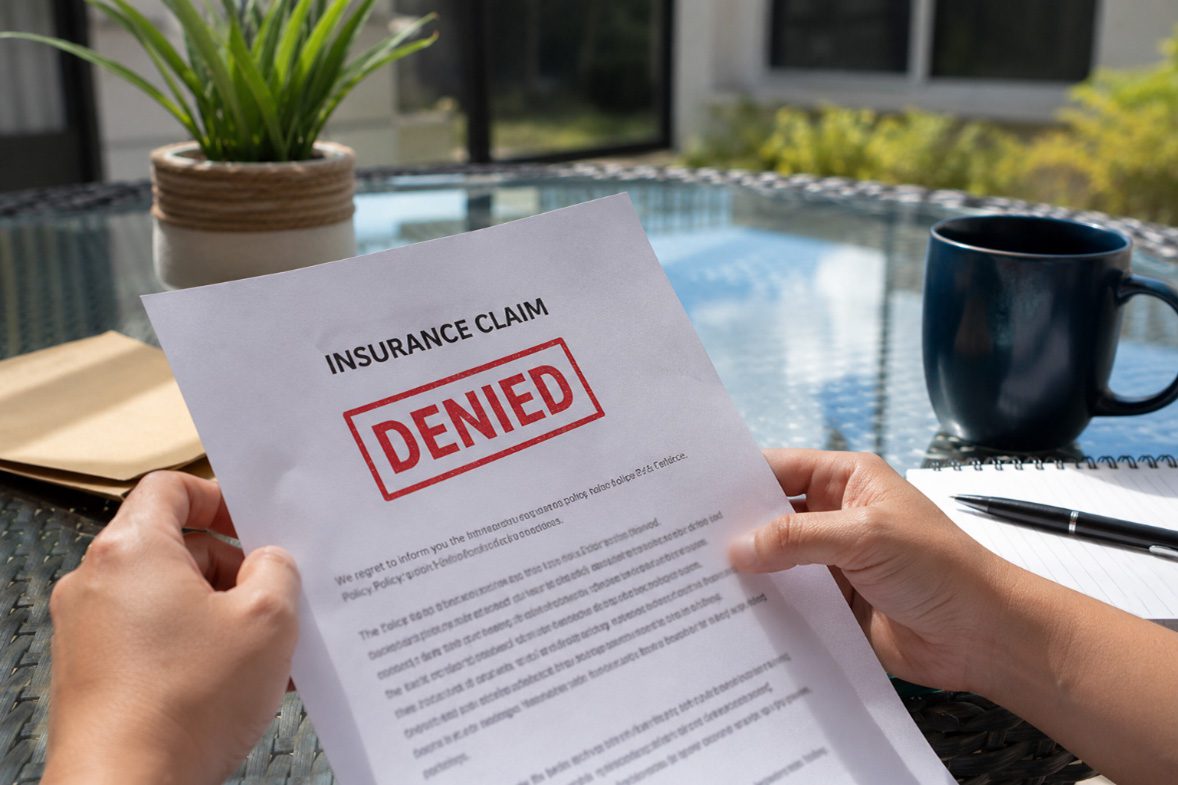
The denial letter usually explains exactly why the roof insurance claim denied decision happened. Look for the specific policy clause, adjuster findings, and appeal deadlines mentioned in the document.
Common Reasons for Roof Claim Denials in Florida
Understanding why insurers reject claims helps you respond with stronger evidence instead of assumptions. Across Florida, especially in storm-heavy areas like Orlando, Daytona, Kissimmee, Sanford, and Deltona, denials often come down to interpretation, not absence of damage.
- Wear and Tear vs Storm Damage: Insurers blame aging instead of storm impact, especially in Orlando, Daytona, and Sanford.
- Cosmetic Damage Labeling: Damage is called cosmetic to avoid payment, even when it affects roof performance in places like Apopka and Ocoee.
- Pre-Existing or Maintenance Claims: Denials often argue the roof was already damaged or poorly maintained in areas like Winter Park and Maitland.
- Weak or Late Evidence: Missing photos, reports, or delayed reporting often leads to denial across Florida storm claims.
- Assignment of Benefits (AOB) Issues: Signing AOB can shift control to contractors and limit homeowner control in cases like Kissimmee and Deland.
Your Immediate Action Plan After a Denial
A roof insurance claim denied situation in Florida is often more about documentation gaps and policy interpretation than actual lack of damage. Homeowners in Orlando, Daytona, Kissimmee, Sanford, and Deltona regularly face denials even after storms because insurers in high-risk zones apply strict scrutiny to wind, hail, and aging roof claims.
The next steps you take should focus on protecting evidence, correcting gaps, and strengthening your technical position before any appeal or reinspection.
1. Re-Examine Your Policy with Florida Storm Standards in Mind
Your first move is to re-read your policy while focusing on Florida-specific language around hurricanes, windstorm deductibles, and roof age limitations.
Many denied roof claim Florida cases fail because homeowners overlook exclusions tied to ‘wear and tear or ‘pre-existing deterioration,’ especially in older neighborhoods across Apopka, Ocoee, and Altamonte Springs.
2. Preserve Every Record of Communication with the Insurer
Keep a clean timeline of every phone call, email, inspection note, and letter. In Florida insurance disputes, documentation consistency often matters more than verbal explanations, especially when adjusters revise their findings after initial inspections in cities like Orlando or Sanford.
3. Re-Document the Roof and Interior Damage as Evidence
Do not rely on old photos. Take updated, high-resolution images of shingles, flashing, gutters, attic leaks, and ceiling stains. Storm conditions in Daytona, Port Orange, and Oviedo can evolve quickly, and insurers often question whether damage worsened after the original claim.
4. Track Appeal Deadlines and State Filing Windows
Florida insurance policies usually include strict appeal timelines. Missing these can permanently weaken your roof insurance claim denied case. Homeowners in Winter Park, Maitland, and New Smyrna Beach often lose leverage simply by submitting late or incomplete appeal packages.
5. Avoid Permanent Roof Repairs Until Evidence Is Secured
Only perform temporary mitigation like tarping or leak control. Once a roof is replaced, insurers may argue there is no proof of storm damage, which is a common issue in denied roof replacement claim disputes across Florida.
6. Get an Independent Roofing or Engineering Inspection
A second opinion from a licensed Florida roofing contractor or structural inspector can directly challenge the insurer’s assessment. This is especially effective in high-claim areas like Kissimmee, Deland, and Orlando, where adjuster evaluations are often conservative.
7. Organize a Formal Claim File for Appeal Strategy
Create a structured file containing all estimates, reports, photos, and correspondence. Strong appeals in Florida insurance disputes are not emotional; they are evidence-driven. Homeowners in Edgewater, Longwood, and Mount Dora who present organized documentation typically improve their chances of reversal or supplemental approval.
A delayed or disorganized response is one of the main reasons insurance claim roof not approved decisions remain unchanged, even when valid storm damage exists.
Building a Strong Case: Gathering Your Evidence
- Strong appeals against a roof insurance claim denied decision depend on clear evidence, not opinions, especially in Orlando, Daytona, Kissimmee, and Sanford.
- Take clear photos and videos of all roof and interior damage with timestamps and keep a full log of every insurer communication.
- An independent roofing inspection can uncover missed storm damage in areas like Apopka, Ocoee, and Winter Park.
- Use official weather reports to link damage to specific storms, especially after hurricanes or wind events in Daytona, Deltona, and Port Orange.
- Review your insurance policy carefully to understand coverage limits, exclusions, and deductibles before appealing.
- Add previous repair records and contractor estimates to prove pre-storm roof condition and realistic repair costs in cities like Kissimmee, Maitland, and New Smyrna Beach.
The Formal Appeal Process: Challenging Your Insurer’s Decision
Once you have gathered solid evidence, the next step is submitting a formal appeal. This is where many roof insurance claim denied cases in Florida succeed or fail, especially in cities like Orlando, Daytona, Kissimmee, Sanford, and Deltona, depending on how clearly the case is presented.
Writing a Strong Appeal Letter
Your appeal should be direct and focused, not emotional or vague. Clearly explain why you disagree with the denied roof claim Florida decision and support it with facts.
Include key details such as your policy number, claim number, date of loss, and a short explanation of the issue. Then connect your argument to evidence like inspection reports, photos, and weather records.
Sending Your Appeal and Supporting Documents
Submit your appeal through certified mail or the insurer’s official portal so you have proof it was received. Keep copies of everything you send.
After submission, follow up regularly in a calm and documented way. Each interaction should be recorded, especially in disputed insurance claim roof not approved cases across Apopka, Ocoee, and Winter Park.
Pay Close Attention to Deadlines
Every policy has strict appeal timelines. Missing them can end your case, even if your evidence is strong. Always check your denial letter for exact dates and act early.
In Florida, where storm-related claims are common, insurers are required to respond within certain timeframes, but your appeal must still be filed correctly and on time to stay valid.
When to Engage Professionals: Public Adjusters & Property Claim Attorneys
Even though you can handle an appeal yourself after a roof insurance claim denied situation, some cases in Florida become too complex or technical, especially after major storms in Orlando, Daytona, Kissimmee, Sanford, and Deltona.
Role of a Licensed Public Adjuster
A public adjuster is a Florida-licensed professional who works only for the homeowner, not the insurance company. They review your policy, inspect roof damage, and negotiate directly with the insurer to improve your settlement.
They are most useful when dealing with denied roof claim Florida cases involving unclear policy language, low settlement offers, or large storm damage across areas like Apopka, Ocoee, and Winter Park.
They usually charge a percentage of the final settlement, so you only pay if you recover funds. Engage one early if the claim feels complicated, the damage is significant, or you are not confident handling insurer negotiations.
When to Consult a Florida Property Claim Attorney
A property claim attorney becomes necessary when the insurer delays, denies unfairly, or acts in bad faith. In such cases, legal action may be required, especially after repeated appeal failures.
In Florida, attorneys may file a Civil Remedy Notice under Florida Statute 624.155 to pressure insurers before a lawsuit. This is often used in serious insurance claim roof not approved disputes.
They are best suited for escalated cases where negotiation no longer works or legal enforcement is needed.
Costs and Overall Value
Public adjusters and attorneys serve different roles. Adjusters focus on building and negotiating the claim, while attorneys handle legal disputes and enforcement.
Both charge fees, often based on a percentage or contingency, but in strong cases, they can significantly increase the final settlement and make the cost worthwhile.
Your Rights as a Florida Policyholder: Key Laws & Protections
Florida homeowners are not powerless after a roof insurance claim denied situation. State laws give you clear protections, especially in storm-prone areas like Orlando, Daytona, Kissimmee, Sanford, and Deltona, where claim disputes are common.
1. Florida Homeowners’ Bill of Rights (FS 627.70132)
This law ensures you are treated fairly during the claims process, including timely updates, proper investigation, and access to your policy details. Knowing these rights helps you push back when a denied roof claim Florida decision feels incomplete or unfair.
2. Civil Remedy Notice (FS 624.155)
If an insurer acts unfairly or delays without reason, you may file a Civil Remedy Notice. This formal step is often used in serious insurance claim roof not approved disputes and is usually stronger when handled with legal guidance.
3. Florida Insurance Oversight and Consumer Support
The Florida Office of Insurance Regulation monitors insurers and handles consumer complaints. It can be used as a support channel when claim handling feels improper or inconsistent, especially in complex roofing disputes across Apopka, Ocoee, and Winter Park.
Alternative Paths: Mediation and Appraisal
Not every roof insurance claim denied situation in Florida has to end in court. In many cases, disputes in places like Orlando, Daytona, Kissimmee, Sanford, and Deltona can be resolved through structured, non-litigation options that save time and cost.
Understanding Mediation for Insurance Disputes
Mediation is a voluntary and non-binding process where a neutral third party helps both you and the insurer reach a fair settlement. It works best when communication has stalled but both sides are still open to compromise. In Florida roofing disputes, it is often faster and less stressful than legal action.
The Appraisal Process for Roof Damage Claims
Appraisal is more formal and usually binding for determining the value of damage, not whether the claim is covered. Both you and the insurer select independent appraisers, and if they disagree, an umpire makes the final decision.
This process is commonly used in denied roof claim Florida cases where coverage is accepted but repair costs are disputed, especially in areas like Apopka, Ocoee, and Winter Park.
Take Control of Your Roof Claim Outcome
A roof insurance claim denied in Florida is a setback, not the final decision. Homeowners in Orlando, Daytona, Kissimmee, Sanford, and Deltona still have a real path forward when they act quickly and strategically. Strong documentation, independent inspections, and persistence can significantly change the outcome of your case.
If your claim has been denied, contact us today to review your situation and take the next step toward getting your roof claim properly re-evaluated and resolved.
FAQs
- How long do I have to appeal a denied claim in Florida?
Appeal deadlines depend on your insurance policy, and they are usually mentioned in your denial letter. Acting quickly is important because missing the deadline can limit or completely block your appeal rights.
- Can my insurance company drop me for filing a claim?
In most cases, insurers cannot cancel your policy just for filing a claim. However, frequent claims or high-risk properties may affect renewal terms or premiums.
- What if my insurer stops communicating with me?
If communication stops, keep a written record of all attempts to contact them. You can escalate the issue through formal complaints, mediation, or support channels like the Florida Office of Insurance Regulation.
- Can I get a second opinion on my roof damage?
Yes, you are allowed to hire an independent licensed roofing inspector to reassess the damage. This often helps strengthen your appeal with additional evidence.
- What is the difference between a contractor’s estimate and an insurance adjuster’s estimate?
A contractor’s estimate reflects real-world repair costs, while an insurance adjuster’s estimate is based on policy guidelines and may reduce or limit the payout amount.