
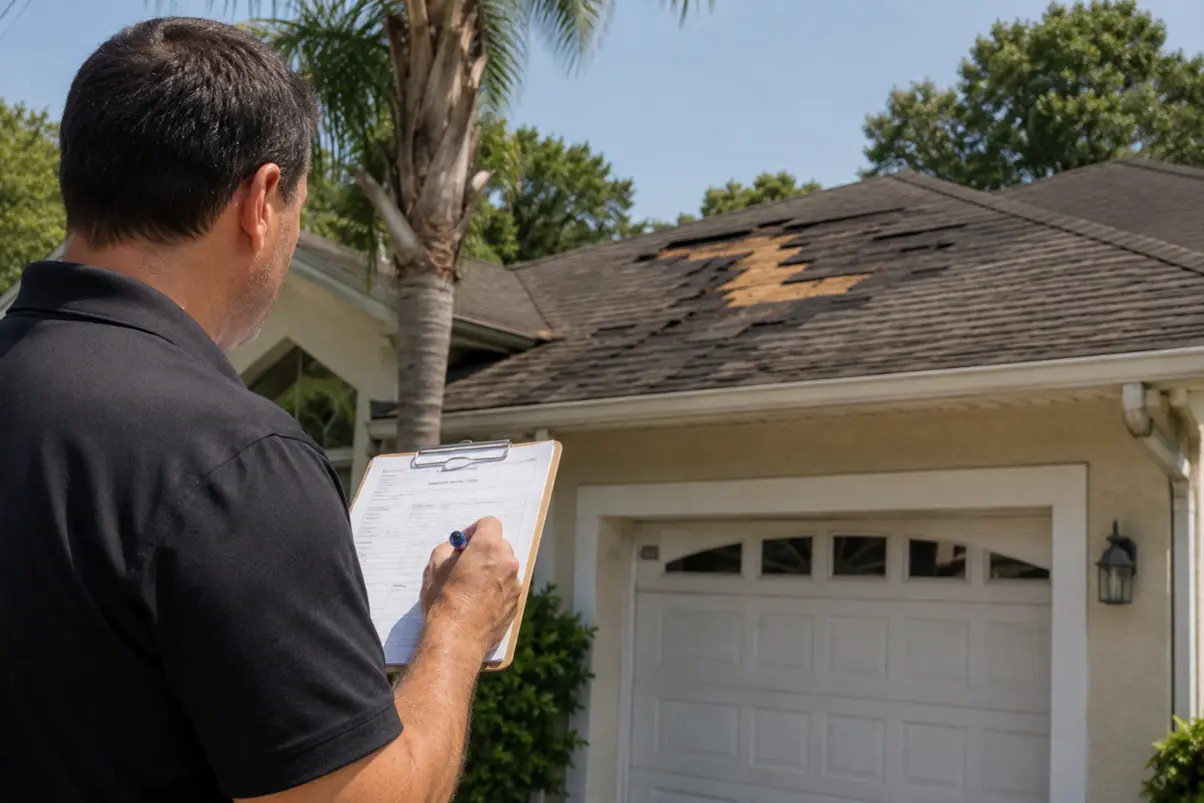
Choosing the wrong roofing contractor can cost far more than a new roof. It can lead to insurance headaches, unfinished work, hidden charges, and repairs that fail long before they should. The good news is that worst roofing companies reveal warning signs before you ever sign a contract.
A Few Red Flags Can Save You Thousands
Across Orlando, Deltona, Daytona, Kissimmee, Sanford, and Port Orange, homeowners are often approached by roofers promising the lowest price, instant insurance approval, or “today only” deals. These tactics can turn a necessary roof replacement into an expensive mistake.
Knowing what to look for before hiring a contractor helps you protect your home, your insurance claim, and your wallet. A few minutes of research upfront can save months of frustration later.
Why Vetting Your Roofer Actually Matters
Most roofing issues start with choosing the wrong contractor, not the roof itself. A bad hire can lead to leaks coming back after the first rain, hidden damage under shingles, mold growth, and warranties that do not hold up when you need them.
This is not rare. Roofing consistently ranks among the most complained-about home improvement services in consumer reports, especially around unfinished work, payment disputes, and poor workmanship.
Proper vetting protects more than just your roof. It protects your insurance claim, your money, and your home’s long-term value. In areas like Orlando, Kissimmee, Daytona, and Deltona, where storm-driven demand is high, this step often decides whether the job goes smoothly or turns into a costly problem.
What Exactly Are Red Flags in Roofing?
Red flags are specific warning signs, behaviors, or contractual elements that indicate potential issues with a roofing contractor, ranging from incompetence and poor service to outright fraud.
- Purpose: These flags serve as critical indicators that something is amiss, prompting you to investigate further or disengage before committing to a potentially disastrous decision.
- The Nuance of Red Flags: Not every red flag means a contractor is a scammer, but each warrants careful attention and verification.
- Audience Insight: Many homeowners lack specific knowledge about industry standards or legal requirements, making these warnings crucial.
Financial and Contract Red Flags That Put Your Money at Risk
In Florida roofing markets like Orlando, Kissimmee, Daytona, Sanford, and Deltona, demand spikes after storms. That is exactly when homeowners become easy targets for rushed deals and weak contracts. Most financial problems start before any work begins, inside the payment terms and paperwork.
Large Upfront Payments
A normal roofing project starts with a small deposit used to order materials, followed by staged payments as different phases of the work are completed. The problem begins when a contractor demands a large upfront payment, especially 50% or more, which significantly increases your risk. In many cases, this can lead to unfinished jobs, delayed projects, or even contractors disappearing after collecting the money.
Florida does have consumer protection rules for home improvement work, but recovering funds or resolving disputes can still take time and cause stress.
A safer and more practical approach is to keep deposits reasonable, usually between 10 to 30 percent, link payments to clear progress milestones, and only release the final payment once the roof is fully completed and properly inspected.
Cash-Only or Unusual Discount Deals
Cash-only pressure or big discounts for cash payments often point to a lack of accountability. The risks include:
- No proper paper trail for disputes or insurance claims
- Difficulty proving payment if problems come up later
- Possible attempts to avoid taxes or formal contracts
Always prefer traceable payment methods like checks, bank transfers, or credit cards. This protects you if issues arise later with workmanship or warranty claims.
Vague Estimates and Weak Contracts
A proper roofing estimate should clearly explain what you are paying for. If the details are missing, the risk is usually hidden costs or low-quality materials. These are some of the most common signs to watch for:
- One-line quotes with no breakdown of materials or labor
- Missing details on shingles, underlayment, or warranty terms
- No clear timeline or payment schedule
In cities like Orlando, Altamonte Springs, and Port Orange, rushed storm-season estimates are often where homeowners later discover surprises.
A solid contractor will always provide a written, itemized agreement before starting work. If they avoid it, that is a sign to step back.
Pressure to Sign Immediately
High-pressure sales tactics are designed to stop you from thinking clearly. Phrases like “today only” or “special discount if you sign now” are common in roofing scams, especially after severe weather events in places like Daytona, Apopka, and Ocoee. This usually means:
- They do not want you to compare bids
- The deal is not actually limited
- The pricing may not be stable or honest
A trustworthy roofer will allow time to review the estimate, compare options, and ask questions without rushing you. If that space is not given, the risk is already showing.
Credential and Professional Red Flags That Reveal a Fake or Weak Contractor
Some roofing companies look professional on the surface but fall apart when you check their credentials. In Florida cities like Orlando, Sanford, Deltona, and Kissimmee, this is where many homeowners get caught during busy storm repair periods.
No Valid License
A real roofing contractor should always hold a valid state license. This shows they have met basic training requirements, follow building codes, and are legally permitted to carry out roofing work.
If a contractor cannot provide a license or tries to avoid the question, it often signals that they may not follow proper building standards, insurance claims could become difficult or even denied, and you may end up facing legal risk if something goes wrong on your property.
In Florida, you can verify a license through official state contractor databases in minutes. A legitimate roofer will never hesitate to share their license number.
No Proof of Insurance
A professional roofer should carry both liability insurance and workers’ compensation coverage. Without it, you could be responsible if someone gets injured on your property or if damage occurs during the job. A safer approach is to:
- Ask for proof of insurance before work starts
- Confirm the policy is active by contacting the provider directly
- Ensure the coverage is valid for the full project duration
No References or Past Work
Experienced roofers are usually willing to share past projects or put you in touch with previous clients, while hesitation or refusal often points to limited experience or a weak reputation. A simple check helps by asking for a few recent local references, reviewing feedback on Google or other platforms, and paying attention to repeated complaints or consistent issue patterns.
In areas like Daytona, Apopka, and Port Orange, reliable contractors usually have a visible track record in the community.
No Real Local Presence
A trustworthy roofing company should have a real, verifiable local base. If all you get is a PO box, a temporary number, or no clear address, that is a concern. This matters because:
- It becomes harder to reach them after the job
- Disputes are difficult to resolve
- The company may not have a stable presence in your area
A quick check on Google Maps or local business records can confirm if the company actually operates where they claim. In established markets like Orlando and Altamonte Springs, real contractors usually have a long-standing local footprint.
Sales and Communication Red Flags That Signal Pressure or Scams
Some roofing problems in Florida start before any contract is signed. In places like Orlando, Daytona, Kissimmee, and Deltona, homeowners often deal with aggressive sales tactics right after storms, when urgency is highest.
Uninvited Visits or Cold Outreach
When a contractor shows up at your door or calls without you reaching out first, it should immediately raise caution. While a few legitimate companies do basic outreach, this approach is also widely used by low-quality operators after storms.
These situations often lead to inflated damage claims or rushed “free inspections” that are designed to push unnecessary repairs. A safer rule is simple: if you did not call them, do not rush into any agreement or inspection.
Storm Chasers with No Local Roots
Storm chasers usually move into an area after hurricanes or heavy storms, offer fast repairs, collect payments quickly, and then leave. Once they are gone, warranty issues or callbacks become almost impossible. They are often easy to spot through signs like:
- Out-of-state registration or license plates
- No permanent office or verified local address
- Temporary signage or short-term contact numbers
In cities like Sanford, Port Orange, and Apopka, local contractors with a real history in the community are always the safer choice.
Unclear or Avoidant Communication
A reliable roofer should clearly explain every part of the job in simple terms, including materials, timelines, pricing, and warranty coverage. When answers feel unclear or the contractor avoids straight questions, it usually signals a problem.
This often appears as no clear breakdown of how the work will be done, vague or shifting responses about costs or materials, or visible irritation when basic questions are asked. Good contractors stay transparent and direct because honesty is part of their process, not something they do only when pushed.
Workmanship and Warranty Red Flags That Affect Long-Term Roof Quality
A roof is not just about installation; it is about how well it holds up years later. In Florida cities like Orlando, Daytona, Kissimmee, and Sanford, where storms and heat put constant pressure on roofing systems, warranty and workmanship details matter more than most homeowners realize.
No Clear or Written Warranty
A trustworthy roofer always provides a written warranty that covers both materials and workmanship. If this is missing or explained in vague terms, it is a serious concern.
Without clear terms, you are often left with no support if issues appear after installation. A vague promise can easily turn into no coverage at all when repairs are needed. A proper warranty should clearly state:
- What is covered under materials versus workmanship
- How long each coverage lasts
- Any conditions that can void the warranty
It is also worth confirming if the warranty can transfer to a new homeowner, which helps protect resale value.
Poor or Unclear Material Choices
Good contractors explain material options in simple terms and help you choose based on budget and roof needs. Problems start when materials are not clearly specified or when the contractor pushes the cheapest option without explanation.
This often leads to lower quality shingles or underlayment that may fail early and create extra repair costs later. A reliable roofer will always list exact materials in the contract, including brand, type, and color, so there is no confusion later.
Rushing Work or Skipping Permits
Roofing work should follow proper timelines and legal requirements. If a contractor promises unusually fast completion or avoids discussing permits, it is a major warning sign.
Permits are not just paperwork, they ensure the work meets local building codes and passes inspection. Skipping them can lead to fines, insurance issues, or even problems when selling your home. Before work starts, always confirm that:
- Required permits are properly applied for and approved
- The contractor follows local building regulations
- The timeline allows for proper installation, not rushed work
In areas like Port Orange, Deltona, and Apopka, reputable contractors never avoid permits because compliance is part of protecting the homeowner.
What to Do When You Spot a Red Flag
When something feels off with a roofing contractor, the worst move is to ignore it or rush ahead. In busy Florida markets like Orlando, Kissimmee, Daytona, and Deltona, most problems get worse because homeowners hesitate too long or do not verify early signs.
1. Document Everything
Start keeping a record the moment something feels suspicious. Save messages, emails, quotes, and note down dates, names, and what was said. This gives you proof if a dispute comes up later and also helps if you need to report the contractor.
2. Ask Direct Questions and Clarify
Do not accept unclear answers. Ask about licensing, insurance, warranty terms, materials, and payment structure until everything is clear. A legitimate contractor will answer without hesitation.
3. Compare Multiple Quotes
Never rely on a single estimate. Get at least three written bids from different companies. This helps you understand fair pricing, spot unusually low or high offers, and compare how professional each contractor actually is.
4. Verify Credentials Yourself
Check licenses, insurance, and business details through official sources like Florida contractor licensing databases, BBB listings, and local county records. Do not depend only on what the contractor provides.
5. Trust Your Judgment and Step Back
If something feels rushed, unclear, or too good to be true, pause. You are not obligated to continue. Walking away early is far better than dealing with a failed roofing job later.
6. Report Serious Issues
If you suspect fraud or unethical behavior, report it to consumer protection bodies or state authorities. This helps protect other homeowners in your area and creates accountability for contractors who operate improperly.
Protect Your Roof Before You Sign Anything
Most roofing mistakes happen before the job even starts, when warning signs are ignored or rushed decisions are made. In Florida cities like Orlando, Kissimmee, Daytona, and Deltona, that usually leads to costly repairs, insurance issues, or unfinished work.
If something feels off with a contractor or quote, do not move forward blindly.
Get a quick, honest roof assessment before you commit. We will help you identify red flags early so you can hire with confidence.