
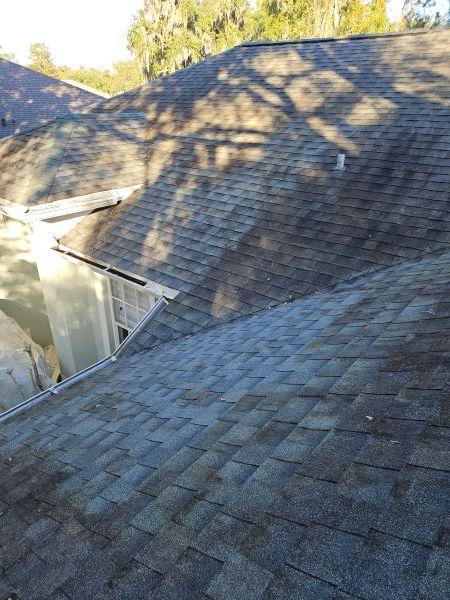
The Florida Shingle Roof Reality
A shingle roof in Florida typically lasts around 15–20 years, while the average expectation in many other parts of the country is closer to 20–25 years. Even premium architectural shingles that are marketed as 30-year products often fall short of that timeline under Florida’s harsh conditions.
The reason is simple: Florida roofs deal with year-round UV exposure, extreme heat, high humidity, heavy rainfall, and hurricane-season winds. In areas like Orlando, Daytona, Kissimmee, Sanford, and Port Orange, shingles can show signs of aging years before their warranty period ends.
Knowing what shortens your roof’s lifespan and what helps extend it, can prevent surprise repairs, unnecessary costs, and premature replacement.
Shingle Types and Their Expected Lifespan in Florida
Not all asphalt shingles age the same way in Florida. The difference between a budget 3-tab roof and a premium architectural roof can be 10 years or more. If you’re trying to maximize your roof lifespan in Florida, the shingle you choose matters just as much as the installation.
1. 3-Tab Shingles: Lowest Cost, Shortest Lifespan
A 3-tab shingle roof typically lasts 10–15 years in Florida. In areas exposed to intense sun, frequent storms, and coastal moisture, some begin showing significant wear even sooner.
- Typical lifespan: 10–15 years
- Material cost: Approximately $80–$100 per square
- Wind performance: Usually rated up to 110 mph when properly installed
- Best for: Budget-conscious projects, rental properties, or homes expected to be sold within a few years
The biggest drawback is durability. Their single-layer design makes them more vulnerable to wind uplift, granule loss, and cracking from prolonged UV exposure. That’s one reason they’re becoming less common on newer homes throughout Orlando, Deltona, Daytona, and other Central Florida markets.
For most Florida homeowners, the upfront savings rarely outweigh the shorter lifespan and higher likelihood of replacement before year 15.
2. Architectural Shingles: The Best Value for Most Florida Homes
If you ask Florida roofing contractors what they install most often, the answer is usually architectural shingles.
These shingles use a thicker, laminated design that stands up better to heat, wind, and heavy rain. Most architectural roofs in Florida last between 20 and 25 years when properly installed and maintained.
- Typical lifespan: 20–25 years
- Material cost: Approximately $120–$160 per square
- Wind performance: Many products are rated for 130–150 mph winds
- Best for: Primary residences, long-term homeowners, and most inland or coastal properties
For homeowners in Kissimmee, Sanford, Port Orange, Oviedo, and Apopka, architectural shingles often hit the sweet spot between cost and longevity. Popular options include:
| Brand | Popular Product | Wind Rating |
| GAF | Timberline HDZ | Up to 130 mph |
| Owens Corning | Duration | Up to 130 mph |
| CertainTeed | Landmark | Up to 130 mph |
Many of these products are also available in reflective “cool roof” colors that help reduce heat absorption during Florida’s long summers.
If you’re replacing a roof today and plan to stay in the home for more than five years, architectural shingles are usually the safest investment.
3. Designer Shingles: Premium Performance and Curb Appeal
Designer shingles are built for homeowners who want maximum durability and a more upscale appearance. Many are designed to mimic slate, cedar shake, or tile while remaining lighter and easier to install.
- Typical lifespan: 25–30+ years
- Material cost: Approximately $200–$350+ per square
- Wind performance: Many systems exceed 130 mph and some carry higher ratings when installed under approved specifications
- Best for: Luxury homes, waterfront properties, and long-term ownership
The thicker construction helps these shingles resist impact damage and weathering better than standard products. That can be especially valuable in coastal communities such as New Smyrna Beach, Ormond Beach, and other storm-prone areas.
Before selecting a premium shingle, verify that the product carries current Florida Product Approval and meets local wind requirements. Coastal homes may also require enhanced fastening patterns or additional underlayment systems to comply with local codes.
Designer shingles cost more upfront, but homeowners planning to stay in the property for 20 years or longer often see the lowest lifetime cost per year of service.
7 Factors That Shorten a Shingle Roof’s Lifespan in Florida
If you’ve ever wondered why a roof that should last 30 years often needs replacement after 15–20 years in Florida, the answer comes down to climate and installation quality. These are the biggest threats to your roof’s lifespan in Florida.
1. Intense UV Exposure and Heat
Florida’s sun is relentless. Roof surfaces commonly exceed 150°F during summer afternoons, especially on darker-colored shingles.
Over time, ultraviolet radiation dries out the asphalt within the shingle. As shingles lose flexibility, they become brittle, crack more easily, and shed protective granules faster.
Homes in Orlando, Deltona, Kissimmee, and Sanford often experience this type of heat-related aging years before homeowners notice visible damage.
Light-colored or reflective shingles can reduce roof temperatures and slow thermal aging.
2. High Humidity and Poor Attic Ventilation
Heat alone isn’t the problem. Trapped moisture is just as damaging. Florida’s humid climate creates ideal conditions for condensation inside attics. When ventilation is inadequate, heat and moisture build up beneath the roof deck, accelerating shingle deterioration from the inside out. Warning signs include:
- Excessively hot attic temperatures
- Musty odors
- Curled or blistered shingles
- Mold growth on roof decking
Proper ridge and soffit ventilation keeps temperatures and moisture levels under control.
3. Salt Air Near the Coast
For homes near the Atlantic Ocean or Gulf Coast, salt exposure adds another challenge. Salt-laden air speeds up corrosion of flashing, fasteners, roof vents, and other metal components. While the shingles themselves may appear fine, failing metal components often become the first source of leaks.
This is particularly important for homes in Daytona Beach, Port Orange, New Smyrna Beach, and other coastal communities. Stainless steel or hot-dipped galvanized fasteners provide better long-term protection.
4. Tropical Storms and Hurricanes
Every storm season takes a toll on roofing systems. Even when shingles remain attached, repeated exposure to high winds can weaken sealant strips, loosen fasteners, and create small areas of uplift that worsen over time. Wind-driven rain can then find its way beneath the roofing system.
Older roofs are especially vulnerable because shingle sealants lose strength as they age. After any major storm, inspect the roof from the ground and schedule a professional inspection if you notice missing shingles, lifted edges, or debris impacts.
5. Poor Installation Practices
A poorly installed roof can fail years before it should. Incorrect nail placement, insufficient fastening, improper flashing details, and shortcuts around valleys or roof penetrations are among the most common causes of premature roof problems in Florida.
In many cases, installation quality has a bigger impact on longevity than the brand of shingle itself. Hire a licensed Florida roofing contractor with manufacturer certifications and a strong local track record.
6. Lack of Routine Maintenance
Many roof replacements start as small, inexpensive repairs that were ignored. Clogged gutters, damaged pipe boots, missing shingles, and overhanging branches can all shorten roof life if left unchecked.
A simple annual inspection often catches problems before they become expensive leaks. Keep gutters clear and trim tree branches at least six feet away from the roof.
7. Algae and Moss Growth
Those black streaks on a roof aren’t just cosmetic. In Florida’s humid climate, algae growth can spread quickly across shaded roof sections. Moss is even more problematic because it traps moisture directly against the shingle surface.
Over time, that constant moisture exposure contributes to granule loss and premature aging. Choose algae-resistant shingles and avoid pressure washing, which can remove the protective granules that help shingles withstand Florida’s sun.
Signs It’s Time to Replace Your Shingle Roof
If you’re wondering when should I replace my shingle roof, watch for these common warning signs:
- Curling or buckling shingles: Indicates aging shingles that can no longer seal properly.
- Heavy granule loss: Granules collecting in gutters or bald spots on shingles signal advanced wear.
- Cracked or split shingles: Common on older roofs exposed to years of Florida heat and UV radiation.
- Interior leaks or water stains: A sign that water is already getting past the roofing system.
- Frequent repairs after storms: Repeated patchwork often means the roof is nearing the end of its service life.
- Roof age exceeds its expected lifespan: 3-tab shingles: 10–15 years, architectural shingles: 20–25 years, designer shingles: 25–30+ years.
Inspect your roof every spring and after major storms. If you notice multiple signs at once, schedule a professional inspection and start planning for replacement.
How to Extend Your Shingle Roof’s Lifespan
A Florida shingle roof takes a beating from heat, humidity, and storms, but the right maintenance can add years to its service life. Most premature failures happen because small problems are ignored until they become major repairs.
Professional Inspections: The 2-Year Rule
A roof inspection every two years helps catch problems that are easy to miss from the ground, including loose shingles, failed sealants, damaged flashing, and ventilation issues.
After any named storm, schedule an inspection if you notice missing shingles, lifted edges, or debris impact.
Always choose a licensed Florida roofing contractor and ask for a written inspection report with photos. Finding a minor repair early is far cheaper than replacing a damaged roof deck later.
Keep Gutters and Roof Areas Clear
Blocked gutters hold water against the roof edges and can lead to fascia damage, leaks, and rot. Clean gutters at least twice a year and remove leaves, branches, and debris after storms.
Keep tree limbs trimmed away from the roof surface to reduce moisture buildup and physical damage. Gutter maintenance is one of the simplest ways to prevent avoidable roof repairs.
Maintain Proper Attic Ventilation
Your roof can deteriorate from underneath when hot, humid air gets trapped in the attic.
Proper ventilation helps remove excess heat and moisture, reducing stress on shingles and the roof deck. A balanced system with intake vents and exhaust vents keeps airflow moving.
If you are replacing your roof, have your contractor check whether your attic ventilation is adequate before installing new shingles.
Control Algae and Moss Growth
Florida’s humidity makes algae growth common, especially on shaded roof sections. Those dark streaks may look harmless, but long-term moisture exposure can contribute to faster granule loss and shingle aging.
Avoid pressure washing asphalt shingles. It can strip away protective granules and shorten roof life. Use algae-resistant shingles when replacing your roof.
Repair Small Issues Before They Spread
A missing shingle, cracked flashing, or damaged pipe boot may seem minor, but water can quickly find its way into the roof system.
Small repairs are much easier and cheaper before they reach the decking or interior of your home. Keep an eye out after storms. Quick repairs often prevent thousands of dollars in damage.
Choose Heat-Resistant Shingles When Replacing
For your next roof replacement, consider shingles designed to handle Florida’s intense sun exposure.
Reflective or cool roof shingles can reduce heat absorption and help limit thermal stress on the roof system. The right shingle choice combined with proper ventilation can make a noticeable difference in how long your roof lasts.
Simple Maintenance Schedule We Follow
- Every 6 months: Check gutters and inspect the roof from the ground.
- Every 2 years: Schedule a professional roof inspection.
- After major storms: Look for visible damage and call for an inspection if needed.
- Regularly: Trim branches, remove debris, and repair small issues quickly.
Insurance Implications and Wind Mitigation
Your shingle roof’s age and condition can directly affect your insurance costs in Florida. Older roofs may face higher premiums, limited coverage options, or stricter inspection requirements.
A wind mitigation inspection can help identify features that reduce storm risk, such as stronger roof connections, proper shingle ratings, and secondary water barriers. These upgrades may help lower insurance costs while improving your roof’s ability to handle Florida weather.
A longer-lasting shingle roof is not just about avoiding replacement; it can also help protect your home and reduce insurance headaches.
Protect Your Florida Roof Before Problems Start
A shingle roof is a major investment, and the best way to protect it is to act before small issues become expensive replacements. Check your roof’s age, schedule inspections, and address warning signs early.
If your roof is nearing the end of its expected lifespan or you’re unsure about its condition, contact our Florida roofing team today. We’ll inspect your roof, explain your options, and help you plan the right solution before the next storm puts your home at risk.