
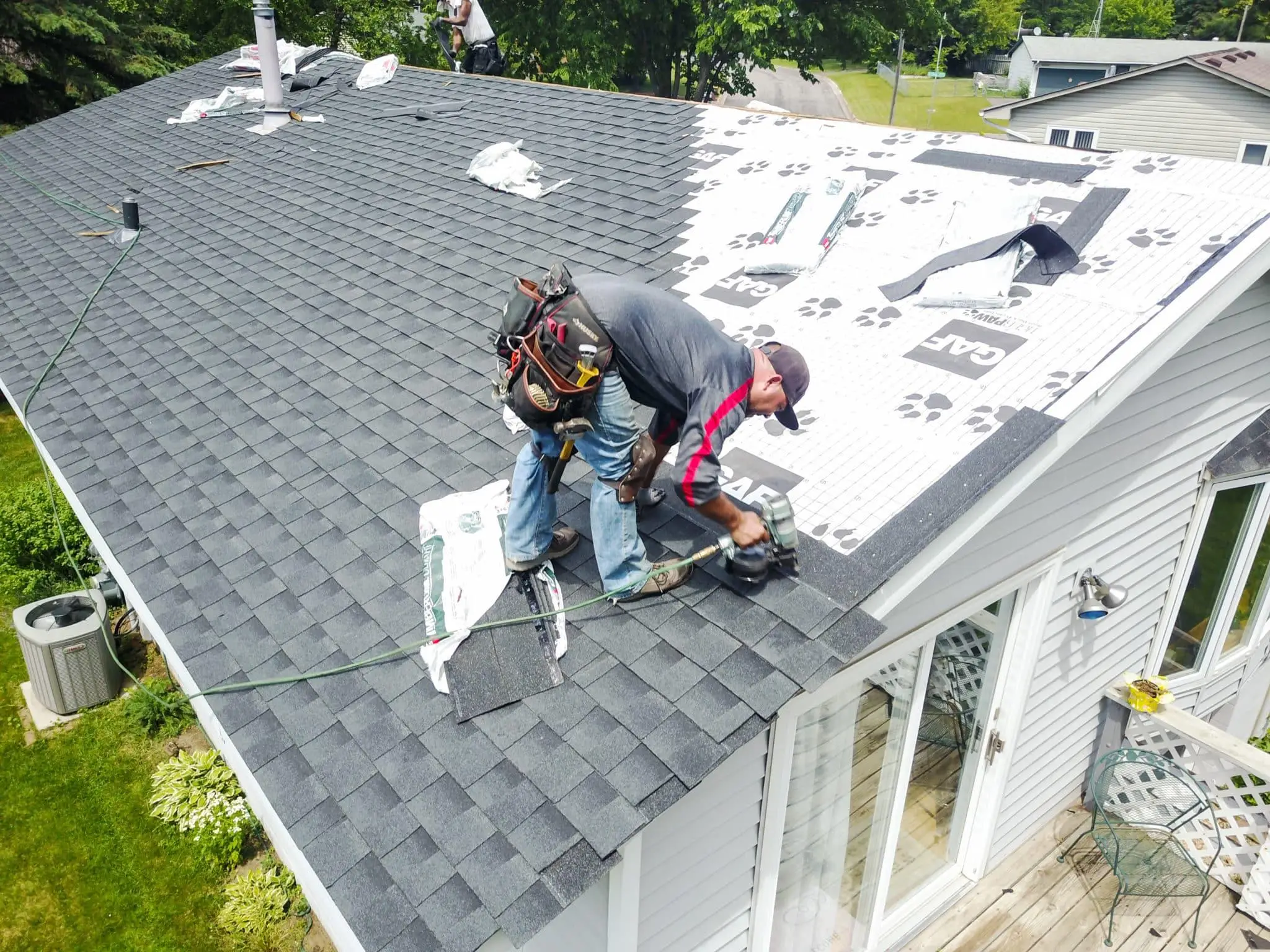
For most homeowners, yes. Asphalt shingles remain the most popular roofing choice in Florida because they offer the best balance of cost, appearance, and storm protection. A good roof starts with the right shingle and proper installation.
A quality asphalt shingle roof in Orlando, Kissimmee, Sanford, or Daytona can hold up for years, while a poorly installed one may start costing you money long before it should. Before you decide, it’s worth understanding where asphalt shingles perform well and where they fall short in Florida’s climate.
Why Roofing Decisions Are Different in Florida
A roof that performs well in other states may not last nearly as long in Florida. That’s because Florida puts roofing materials through a level of stress that few places in the country can match.
Hurricane Winds
Storm season is the first challenge. Strong winds can lift, loosen, or completely remove shingles if they aren’t installed properly. This is especially important in areas like Daytona, Port Orange, New Smyrna Beach, and other coastal communities that regularly deal with tropical storms and hurricanes.
Heat and UV Exposure
Florida sunshine is great for weekends. It’s much harder on your roof. Day after day, intense UV rays dry out roofing materials and wear away protective granules.
Over time, shingles become more brittle and less effective at shedding water. That’s one reason an asphalt shingle roof in Orlando or Kissimmee may not reach the same lifespan advertised in cooler parts of the country.
Humidity, Rain, and Algae Growth
Moisture is a year-round problem here. Frequent rain and high humidity create ideal conditions for algae growth. Those black streaks you see on roofs across Sanford, Deltona, and Deland aren’t usually dirt. They’re algae, and while they don’t always cause immediate damage, they can make a roof look older than it really is.
Coastal Salt Air
If you live near the coast, there’s another factor to consider. Salt carried by ocean air can speed up corrosion on metal roof components. Homes near Daytona Beach, Port Orange, Edgewater, and New Smyrna Beach often experience more wear on flashing, fasteners, and other exposed metal parts.
What This Means for Asphalt Shingles
This doesn’t mean asphalt shingles are a bad choice. In fact, asphalt shingles Florida homeowners install today are far more durable than older products. The important thing to understand is that performance depends heavily on product quality, installation, ventilation, and local weather conditions.
A roof may look great on paper. The real test is how it holds up after years of Florida heat, storms, humidity, and sun exposure.
The Benefits of Asphalt Shingles for Florida Homes
1. They Make Financial Sense for Most Homeowners
The biggest reason asphalt shingles remain Florida’s most common roofing material is simple: the numbers work.
A new asphalt shingle roof typically costs far less than metal or tile, yet it still provides the protection most homeowners need. For families in Orlando, Kissimmee, Deltona, and Sanford, spending twice as much on a roof doesn’t always deliver twice the value.
If you’re planning to stay in your home for the next 10–20 years, a quality architectural shingle roof can be a practical investment without stretching your budget.
2. Repairs Are Easier and Less Expensive
Every roof eventually needs attention. When a few shingles are damaged after a storm, repairs are usually straightforward. That’s one advantage asphalt shingles have over many premium roofing materials. Finding matching products, replacement parts, and experienced installers is rarely a challenge in Florida.
For homeowners, that often means lower repair costs and less hassle over the life of the roof.
3. Plenty of Styles Without Paying Premium Prices
Modern asphalt shingles look much better than they did twenty years ago. Today’s architectural shingles add depth, texture, and curb appeal without the cost of slate or tile.
Whether you’re upgrading a home in Oviedo, Winter Park, or Port Orange, there are enough color and design options to complement almost any property style.
Lighter-colored shingles can also help reflect more sunlight, which is worth considering during Florida’s long summers.
4. Most Roofers Know How to Install Them Properly
This benefit doesn’t get talked about enough. Because asphalt shingle roofing is so common, finding qualified installers is generally easier than it is with specialty roofing systems. Materials are readily available, crews are familiar with local installation requirements, and projects can often be completed faster than metal or tile replacements.
That becomes especially important when homeowners need a roof replaced before storm season arrives.
So, Are Asphalt Shingles Worth It?
For many Florida homes, yes. They offer a balance of affordability, appearance, availability, and proven performance that’s difficult for other roofing systems to match. That’s exactly why asphalt shingles continue to dominate residential neighborhoods across Orlando, Daytona, Sanford, Port Orange, and surrounding communities.
The important part is choosing the right product and making sure it’s installed to Florida standards. A well-installed roof can hold up surprisingly well. A poorly installed one can become an expensive problem regardless of the material.
Potential Drawbacks of Asphalt Shingles in Florida
No roofing material is perfect, and asphalt shingles are no exception.
They Don’t Last as Long as Metal or Tile
Florida’s heat, humidity, and storms can shorten the lifespan of any roof. While quality asphalt shingles can provide many years of reliable protection, homeowners should generally expect a shorter lifespan than premium materials such as metal or tile.
For many people, the lower upfront cost still makes that trade-off worthwhile.
Storm Damage Is Still Possible
Modern asphalt shingles are built to handle strong winds, but performance depends heavily on proper installation. Poor workmanship can lead to loose or missing shingles during severe weather, which is why choosing an experienced Florida roofing contractor matters just as much as the product itself.
Algae Can Affect Appearance
In humid areas such as Orlando, Deltona, Sanford, and Port Orange, dark algae streaks can develop over time. Fortunately, many newer shingles include built-in algae resistance, helping roofs stay cleaner for longer.
Ongoing Maintenance Is Part of Ownership
Like any roofing system, asphalt shingles benefit from periodic inspections, especially after major storms. Catching small issues early can help extend the roof’s lifespan and prevent more costly repairs down the road. For most Florida homeowners, these are manageable considerations rather than deal-breakers.
Florida Building Code and Asphalt Shingles
One reason asphalt shingles remain so popular in Florida is that modern products are designed to meet the state’s strict roofing requirements.
Many of today’s architectural asphalt shingles are rated for high-wind conditions and can perform well when installed according to manufacturer specifications. That’s especially important in areas such as Orlando, Daytona, Port Orange, and other parts of Central Florida where strong storms are a regular concern.
Just remember: code compliance isn’t only about the shingle itself. Proper installation, underlayment, and fastening methods all play a major role in how a roof performs during severe weather.
If you’re planning a roof replacement in 2026 or beyond, ask your contractor whether the proposed asphalt roofing system meets both current Florida requirements and any upcoming code updates. It can help protect your investment and may benefit future insurance inspections.
Which Asphalt Shingle Type Makes the Most Sense in Florida?
Not all asphalt shingles offer the same level of performance. For most homeowners in Orlando, Deltona, Kissimmee, and surrounding areas, architectural shingles provide the best balance of cost, appearance, and storm protection. That’s why they’re the most common choice for residential asphalt shingle roofing across Florida.
If your budget is the main concern, basic 3-tab shingles have a lower upfront cost, but they generally offer less wind resistance and a shorter lifespan.
Homeowners looking for extra protection may want to consider impact-resistant shingles, especially in areas that frequently experience severe storms. While they cost more initially, they can provide added durability and may qualify for insurance benefits in some cases.
For most Florida homes, architectural shingles with built-in algae resistance are often the sweet spot. They offer strong value, attractive curb appeal, and the level of performance most homeowners need without moving into the higher cost range of specialty roofing materials.
Still Not Sure if Asphalt Shingles Are the Right Choice?
For many Florida homeowners, asphalt shingles offer the best mix of affordability, appearance, and storm protection. The real question is which shingle system fits your home, location, and budget. A roof in Orlando may face different challenges than one in Daytona, Port Orange, or New Smyrna Beach, which is why a one-size-fits-all recommendation rarely works.
If you’re planning a roof replacement and want straightforward advice, contact our team for a professional roof assessment. We’ll help you compare your options, explain what makes sense for your property, and determine whether asphalt shingle roofing is the right long-term investment for your home.